

More Than Landscaping: Designing the Places Between the Buildings
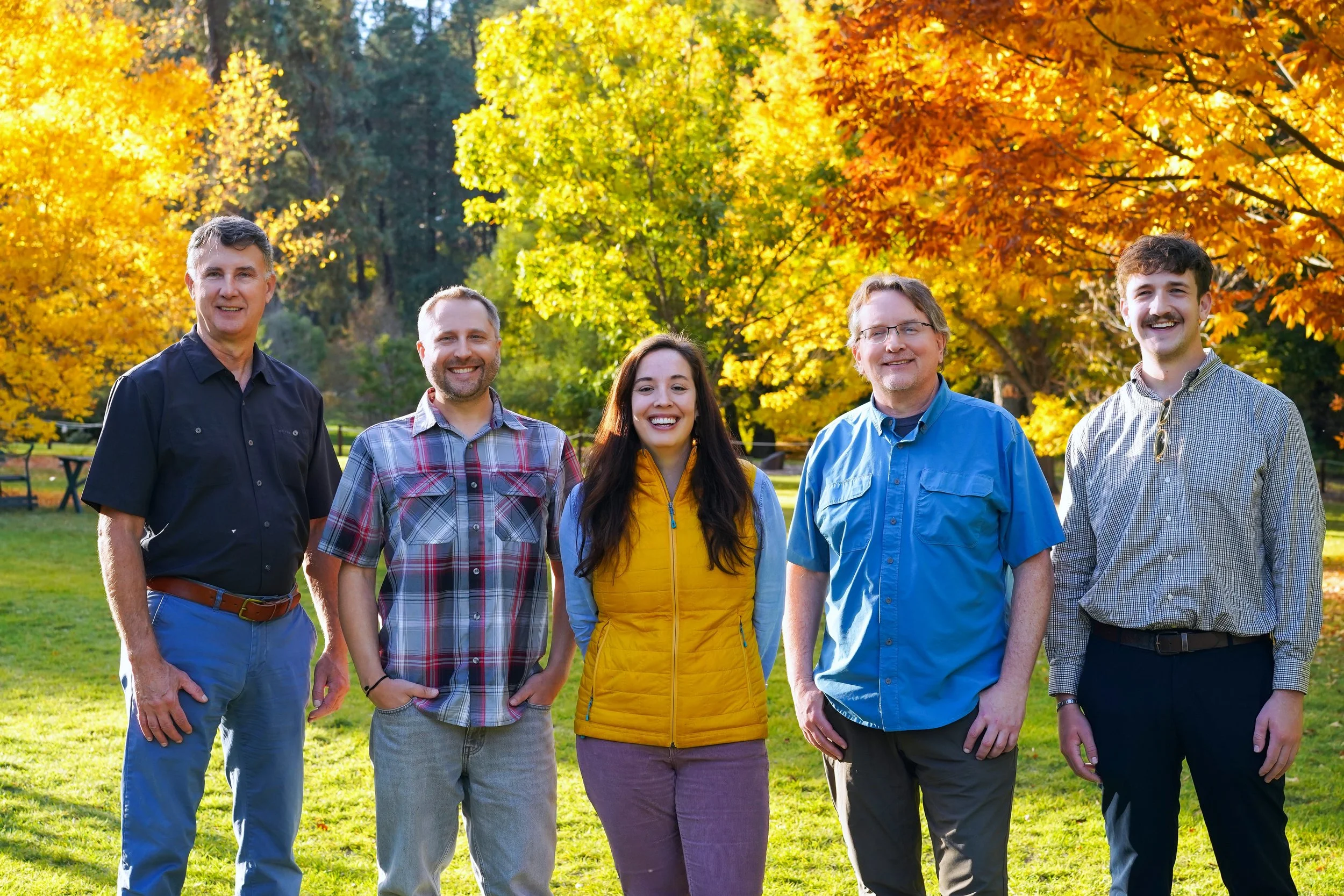
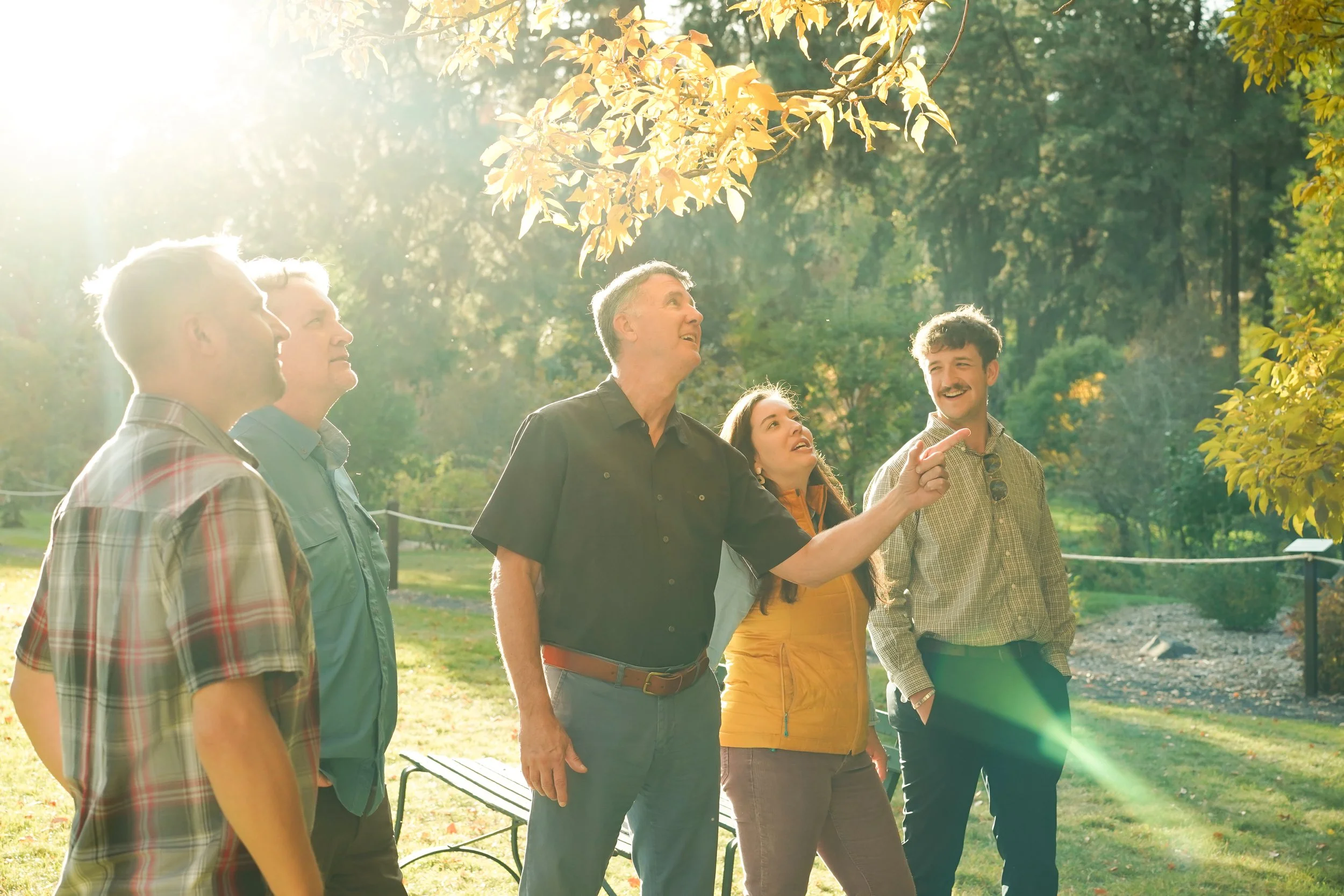
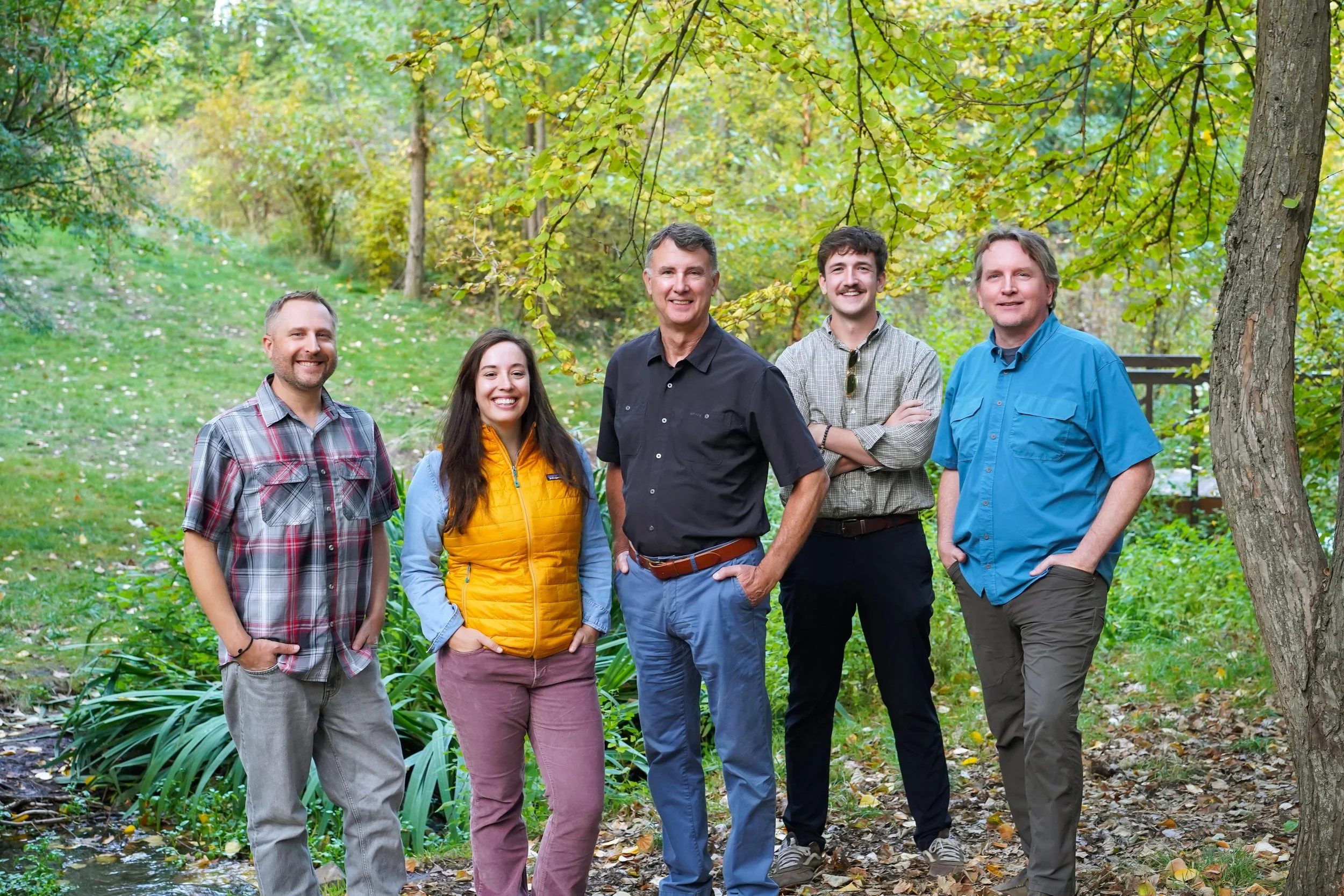
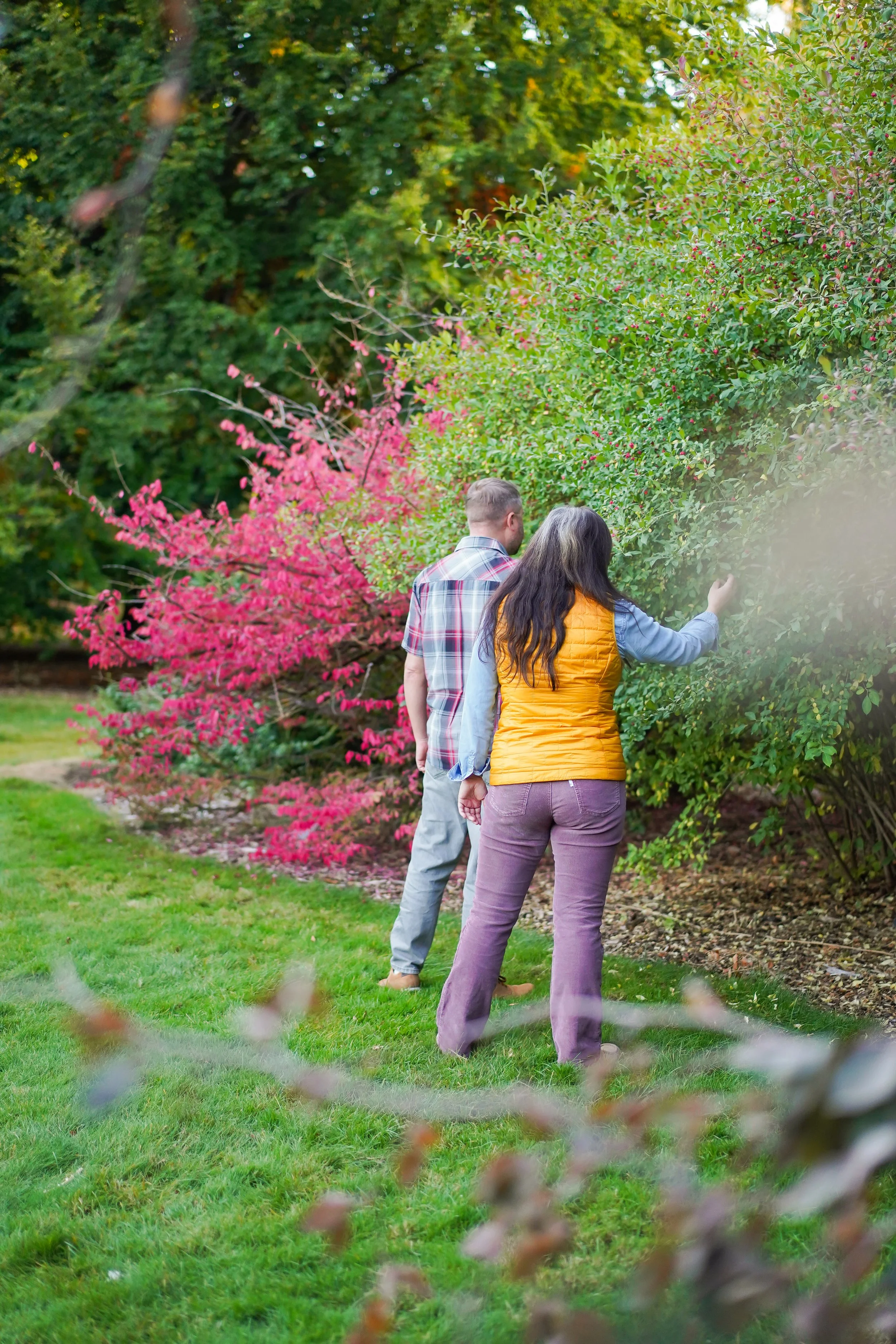
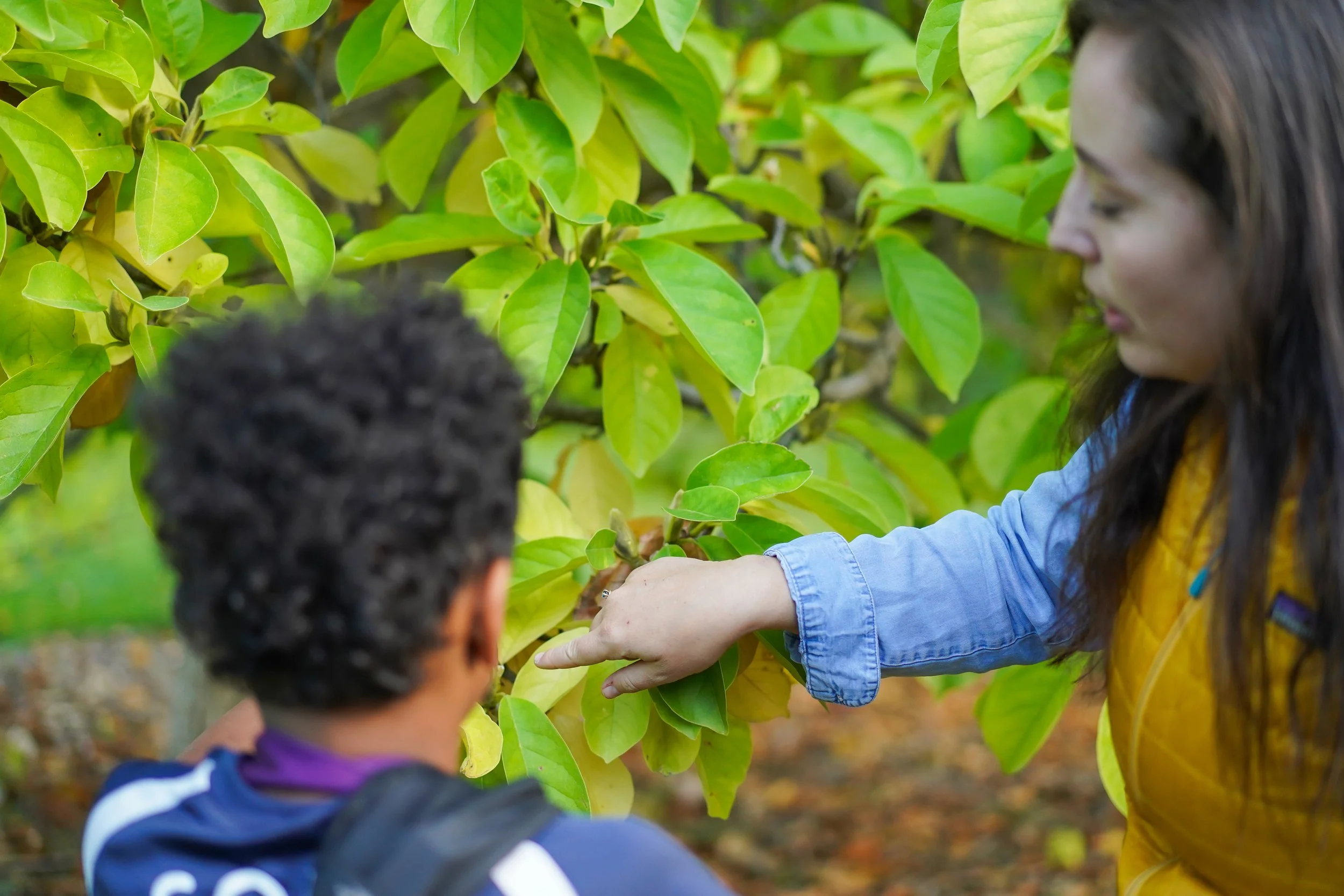
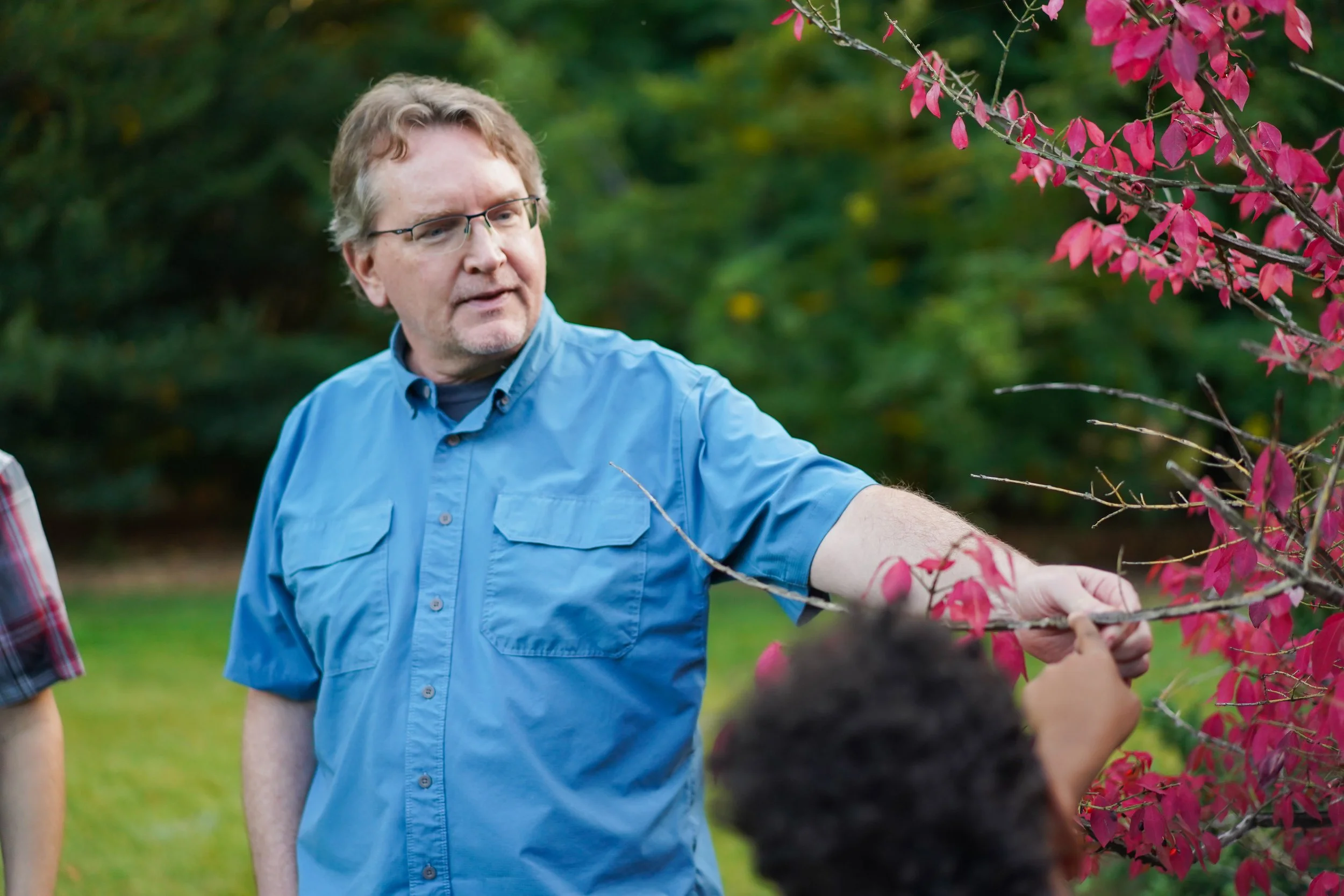
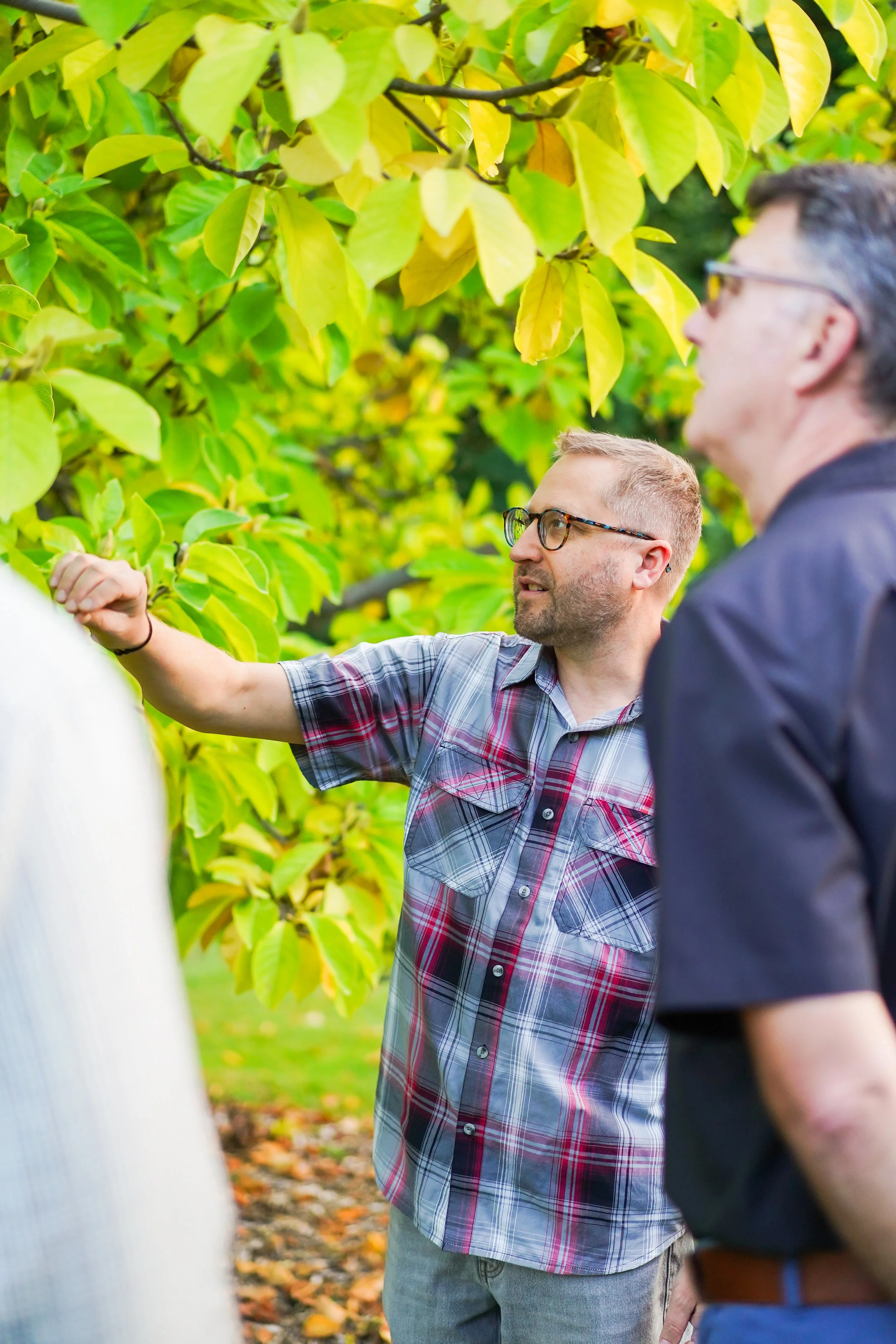
When people hear the words landscape architecture, they may picture plants, trees, and beautifully designed outdoor spaces. And while those elements are certainly part of the profession, landscape architecture reaches much further.
At Bernardo Wills, our landscape architects design the places where people gather, play, learn, travel, and connect with their communities. From parks and playgrounds to trails, athletic facilities, campuses, plazas, and the spaces surrounding buildings, our work brings together the natural and built environments to create places that are functional, resilient, and memorable. For us, landscape architecture is about understanding the bigger picture: how people will use a space, how it relates to its surroundings, how it changes over time, and how thoughtful design can make a community better.
From Parks to Plazas and Everything in Between
No two landscapes serve exactly the same purpose. Our Landscape Architecture team works across a broad range of project types, including parks and recreation, trails, streetscapes, plazas, sports facilities, university campuses, master planning, and landscapes associated with architectural projects. That diversity of work can take many forms throughout the Inland Northwest.
Our portfolio includes projects such as McEuen Park Redevelopment, Liberty Lake Regional Park, Ice Age Floods Playground, Heyburn State Park, Peterson Group Campground, Union Stadium, Ridgeline High School, Wenatchee High School, West Valley High School, and “A Place of Truths” Plaza.
Although their uses vary, these projects share an important goal: creating outdoor places that respond thoughtfully to the people, communities, and environments they serve. The result might be a playground that encourages exploration, an athletic complex built around how athletes and spectators move through it, a trail that improves access and connectivity, or a park that becomes a gathering place for an entire community.
Designing for How People Experience a Place
Good landscape architecture isn't simply about what a place looks like. It is about how a place works and how it feels to be there. That means thinking about circulation and accessibility. It means understanding where people naturally gather, how different activities can coexist, how outdoor spaces relate to nearby buildings, and how landscape, materials, amenities, and infrastructure work together. It can also mean looking beyond what a site needs today to consider how it will continue to serve its community in the future.
Bernardo Wills describes its landscape architecture and planning work as creating settings that enrich the human experience, with projects that help define a community's character. That philosophy is particularly important in public spaces, where thoughtful design has the opportunity to influence how thousands of people experience their community.
One Team, From Building to Landscape
One of the strengths of having landscape architecture expertise within Bernardo Wills is the ability to collaborate across disciplines. Our landscape architects provide site-planning expertise to architectural projects while working collaboratively through design and construction. That integration can strengthen the aesthetics, sustainability, and functionality of the overall project.
Instead of viewing the building and landscape as separate pieces, our teams can consider the complete experience of a site. Where do people arrive? How do they move through the property? Where do they gather? What happens between the parking lot and the front door? How can outdoor spaces become an extension of what happens inside? Those spaces between buildings matter. Often, they're the first and last part of a place people experience.
Designing With Wildfire in Mind
In the Inland Northwest, responsible landscape design also means understanding the forces that shape our environment, including wildfire. Landscape Designer Kylee Monroe has developed a particular focus on the relationship between landscape architecture, wildfire, and community resilience. Her graduate education in landscape architecture at the University of Idaho included the study of fire science and the intersection of ecology, wildfire behavior, land-use planning, infrastructure, and community design. That knowledge informs an increasingly important conversation around Firewise design.
Fire is a natural part of many Inland Northwest ecosystems, and vegetation, topography, weather, development, and other conditions all influence how wildfire behaves. Rather than treating wildfire solely as an emergency-response issue, Firewise principles encourage us to think proactively about how landscapes and communities can be planned with wildfire resilience in mind.
For Kylee Monroe, the goal is not to design landscapes out of fear, but to help communities better understand wildfire and consider ways of living more safely alongside the landscapes we value. It's another example of the larger role landscape architects play: looking beyond the immediate boundaries of a project and understanding how design decisions interact with the broader environment.
Places Designed to Belong
The best outdoor spaces don't feel imposed upon their surroundings. They feel like they belong there. That's the opportunity we see in landscape architecture. Whether we're helping transform a community park, creating an outdoor space for a school, connecting people through trails, designing places for recreation, or collaborating with our architects on a larger development, our goal is to understand what makes each place distinct and build upon it. Because thoughtful landscape architecture doesn't just fill the space around buildings.
It helps create the places where community happens.