
Feeling Blue, Finding Joy: A First Friday Cyanotype Workshop
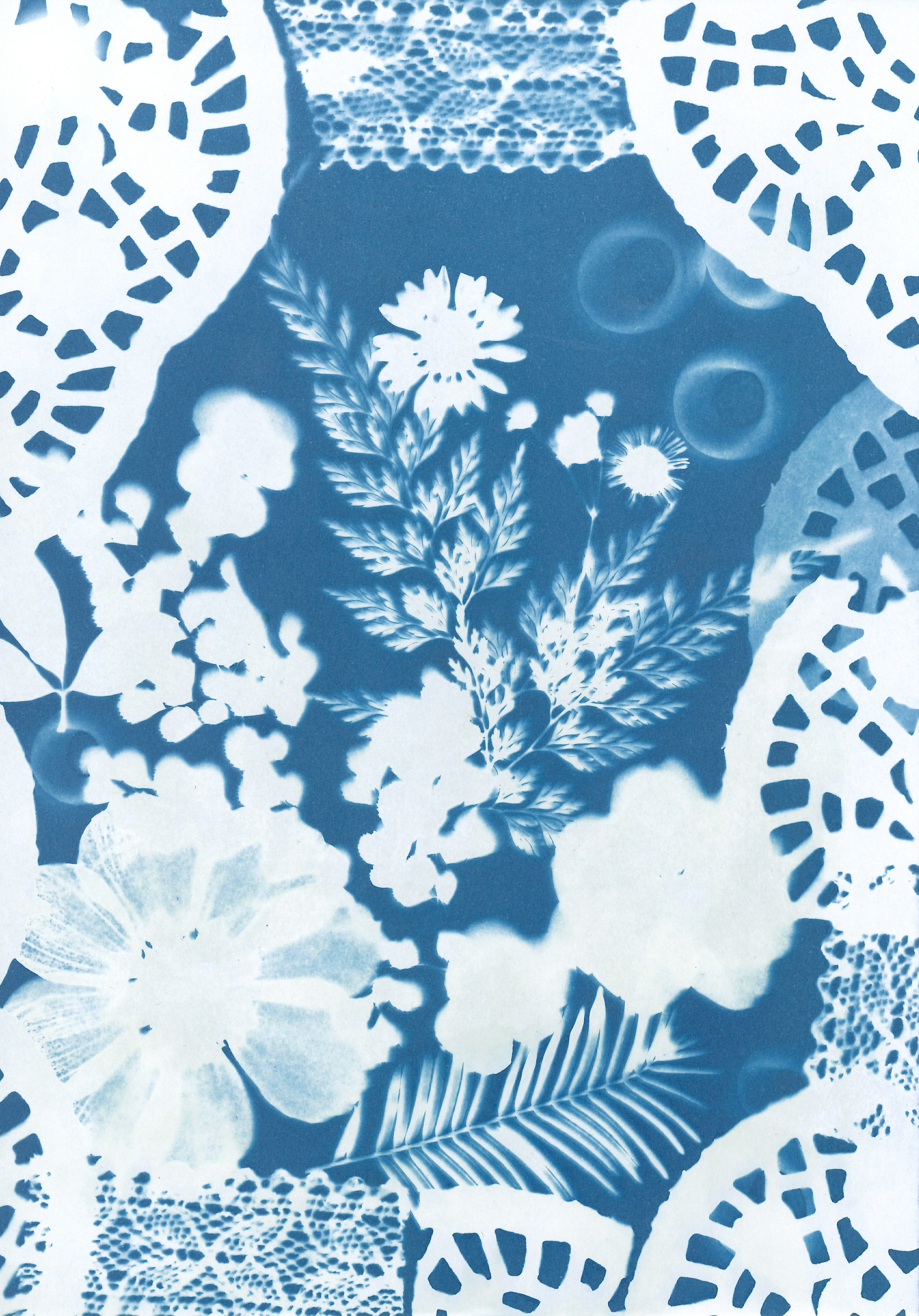


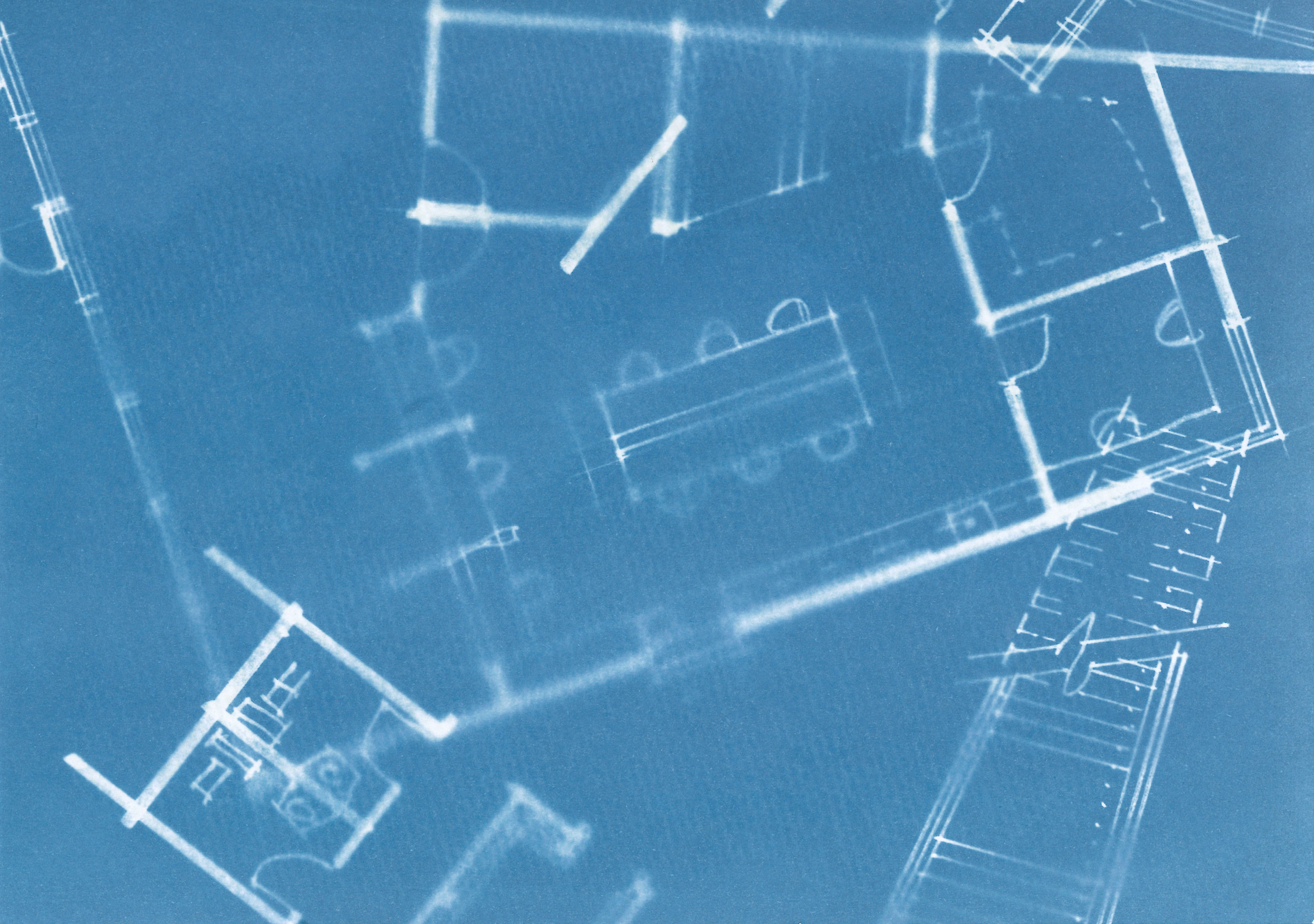
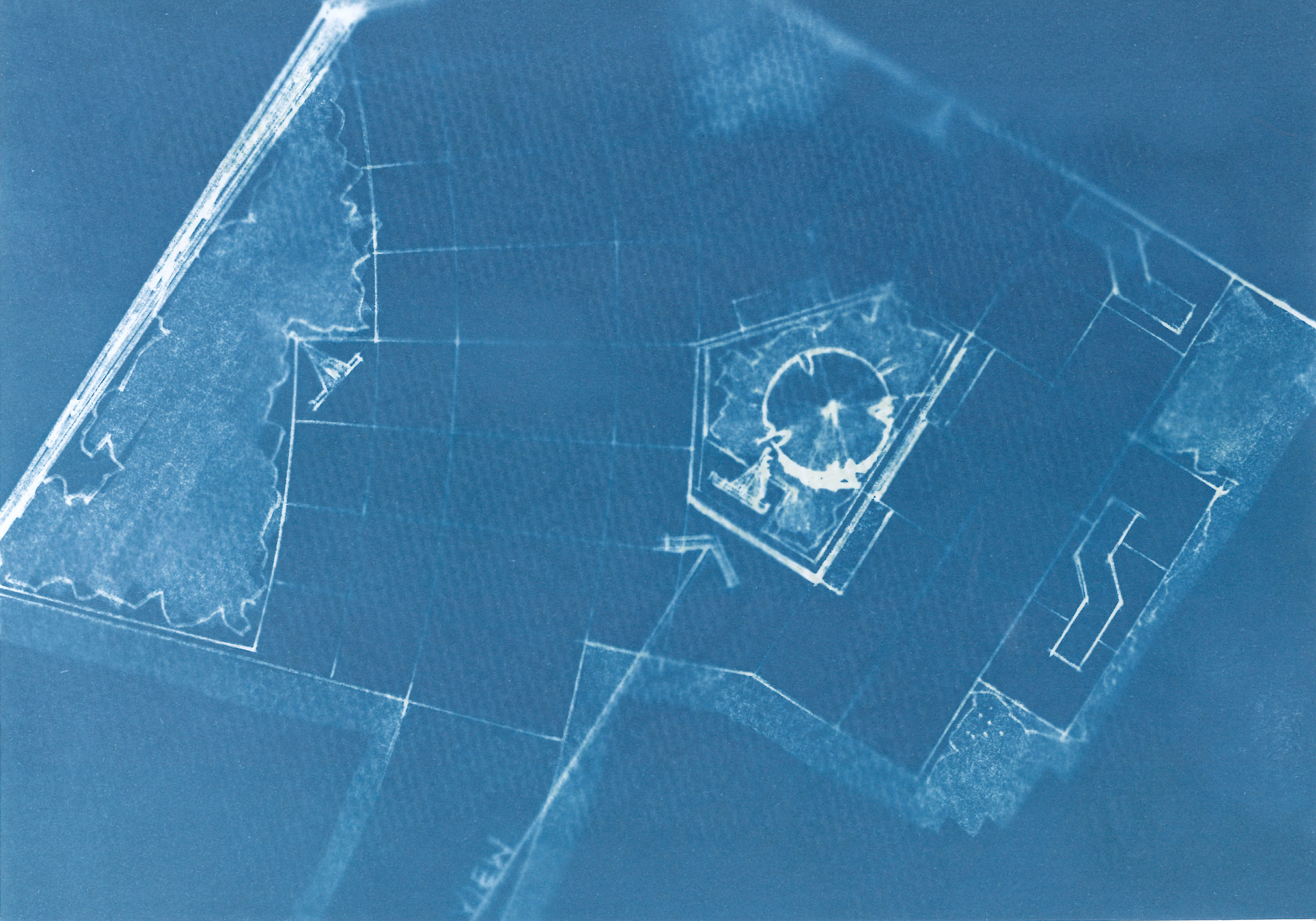
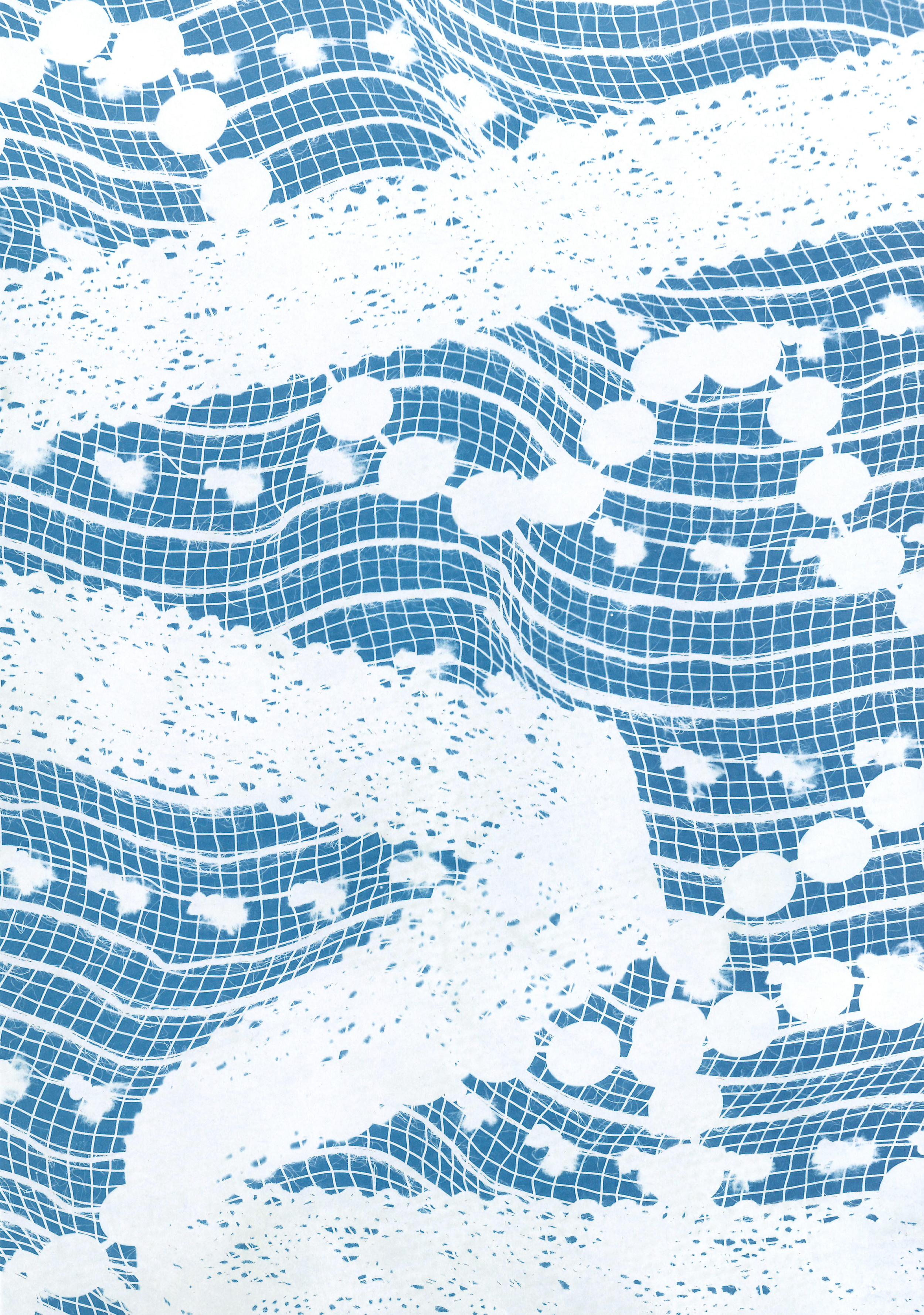

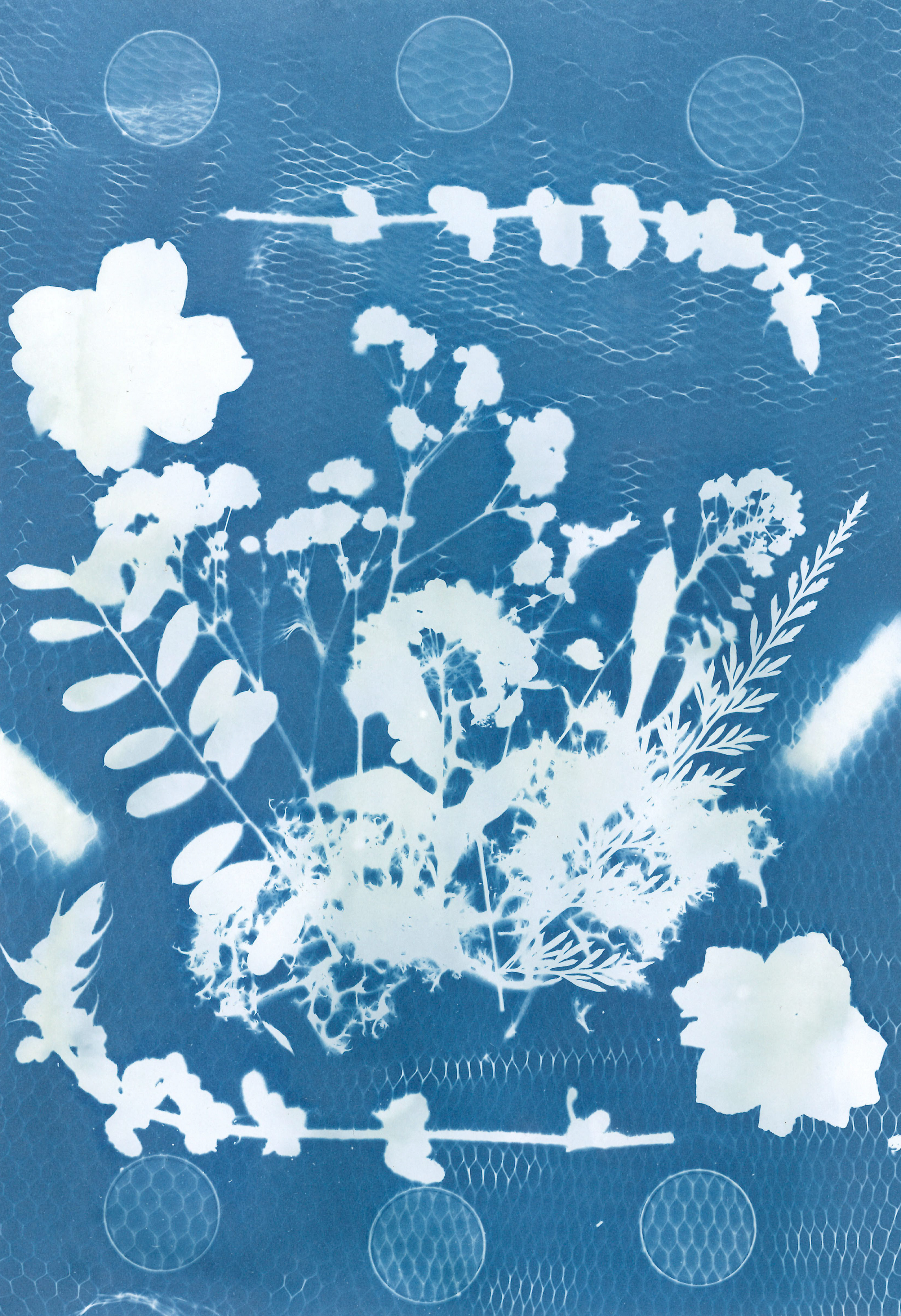
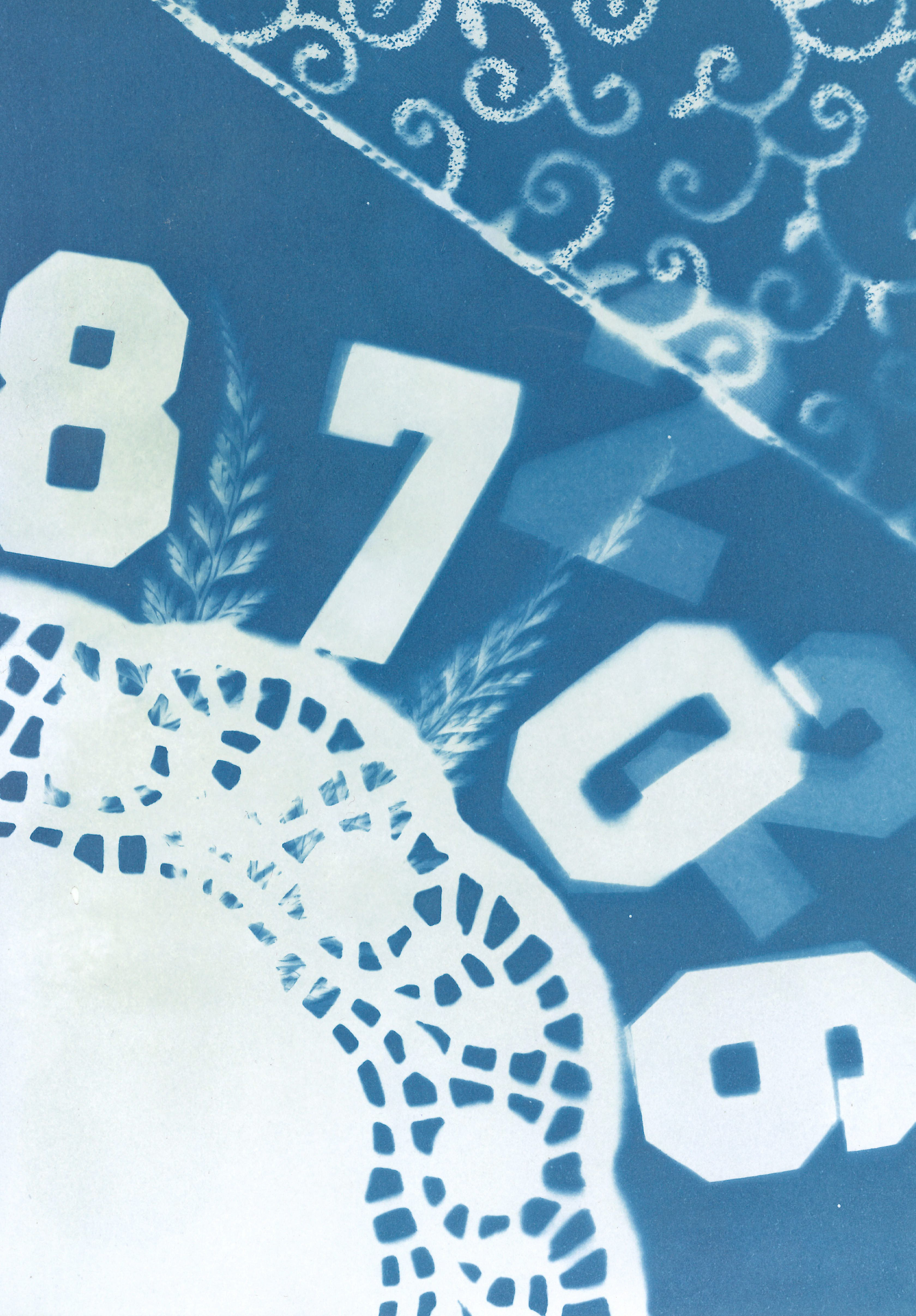
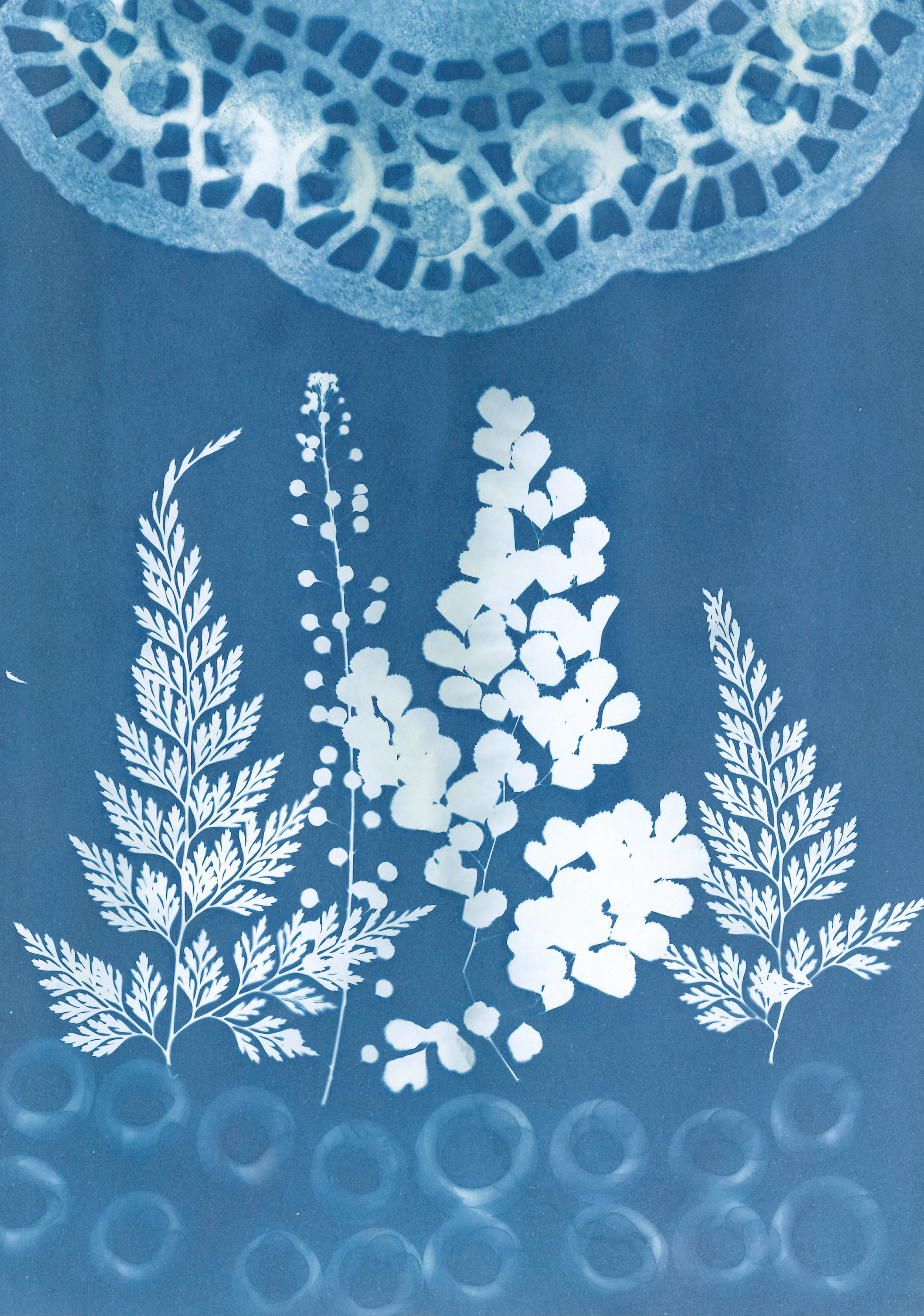
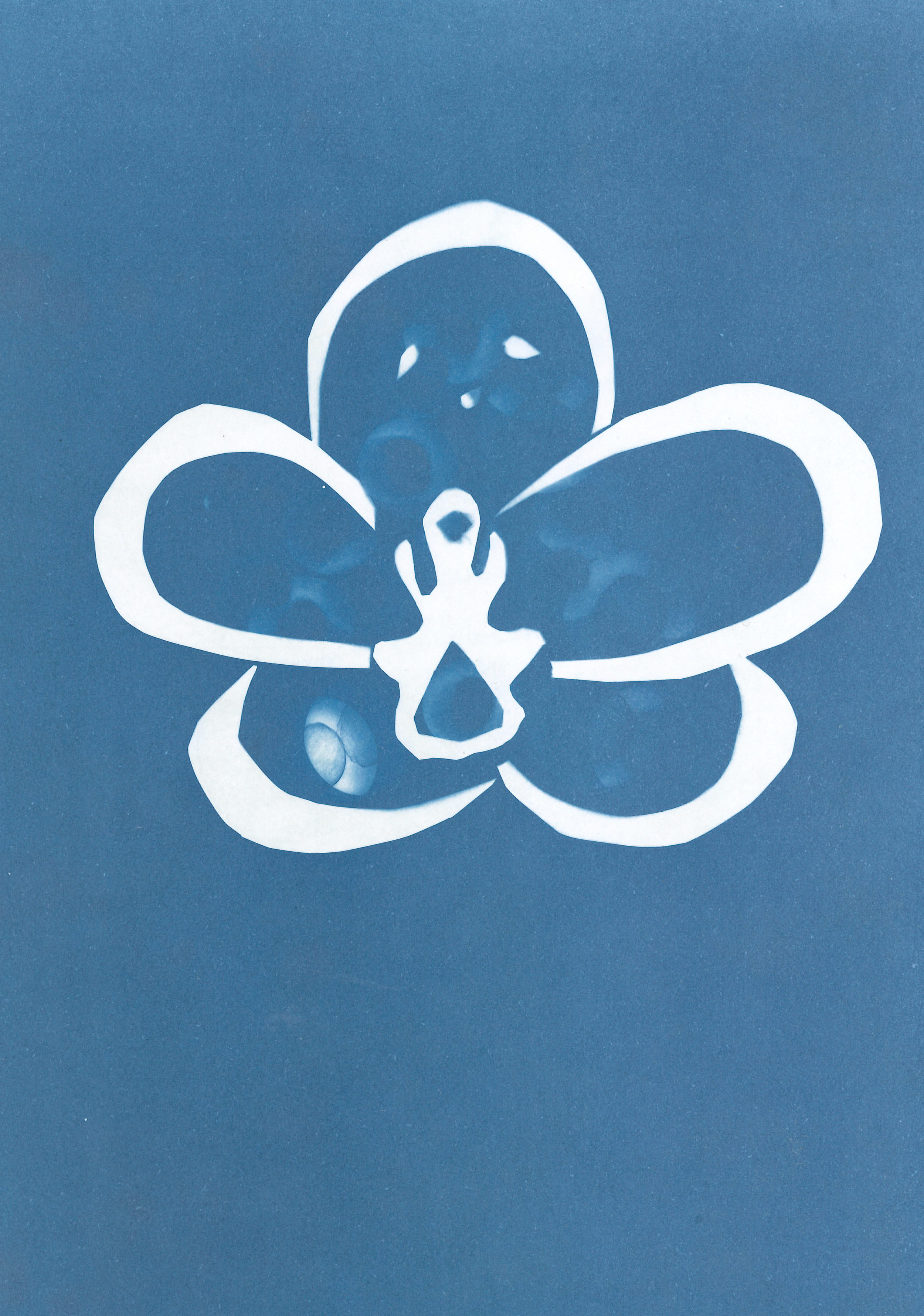

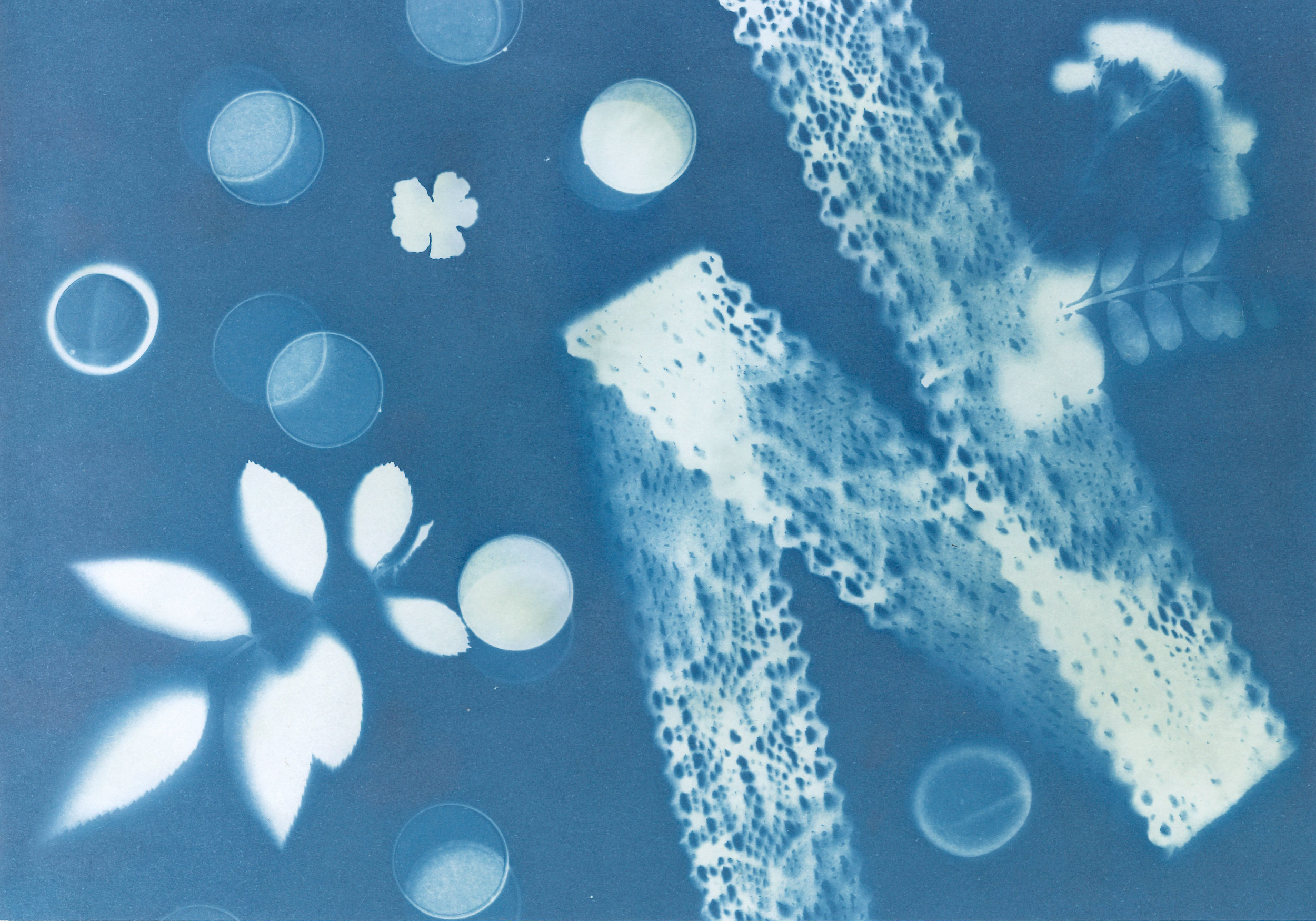
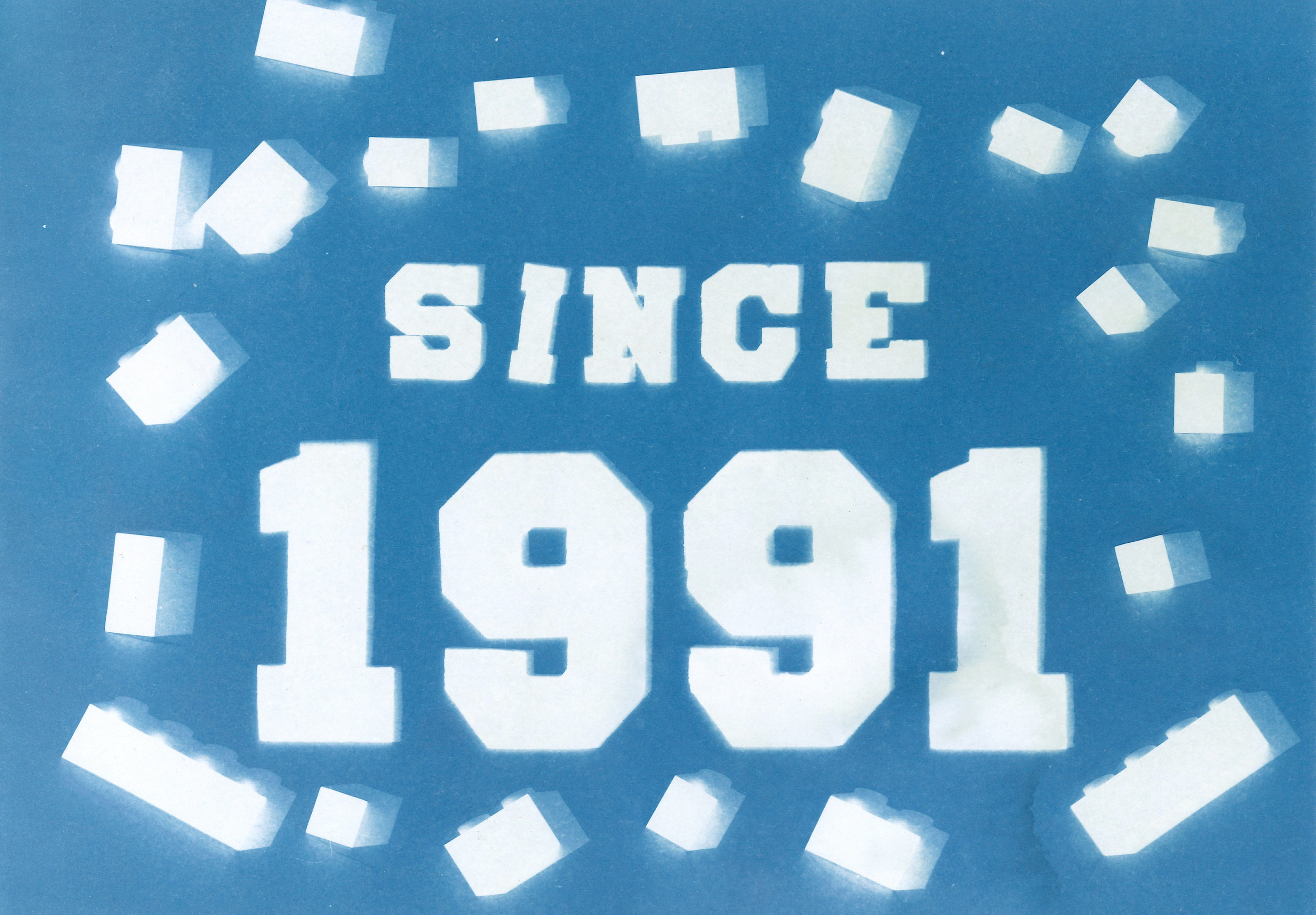
Lately, it's felt like everyone in Spokane has been carrying a little extra weight.
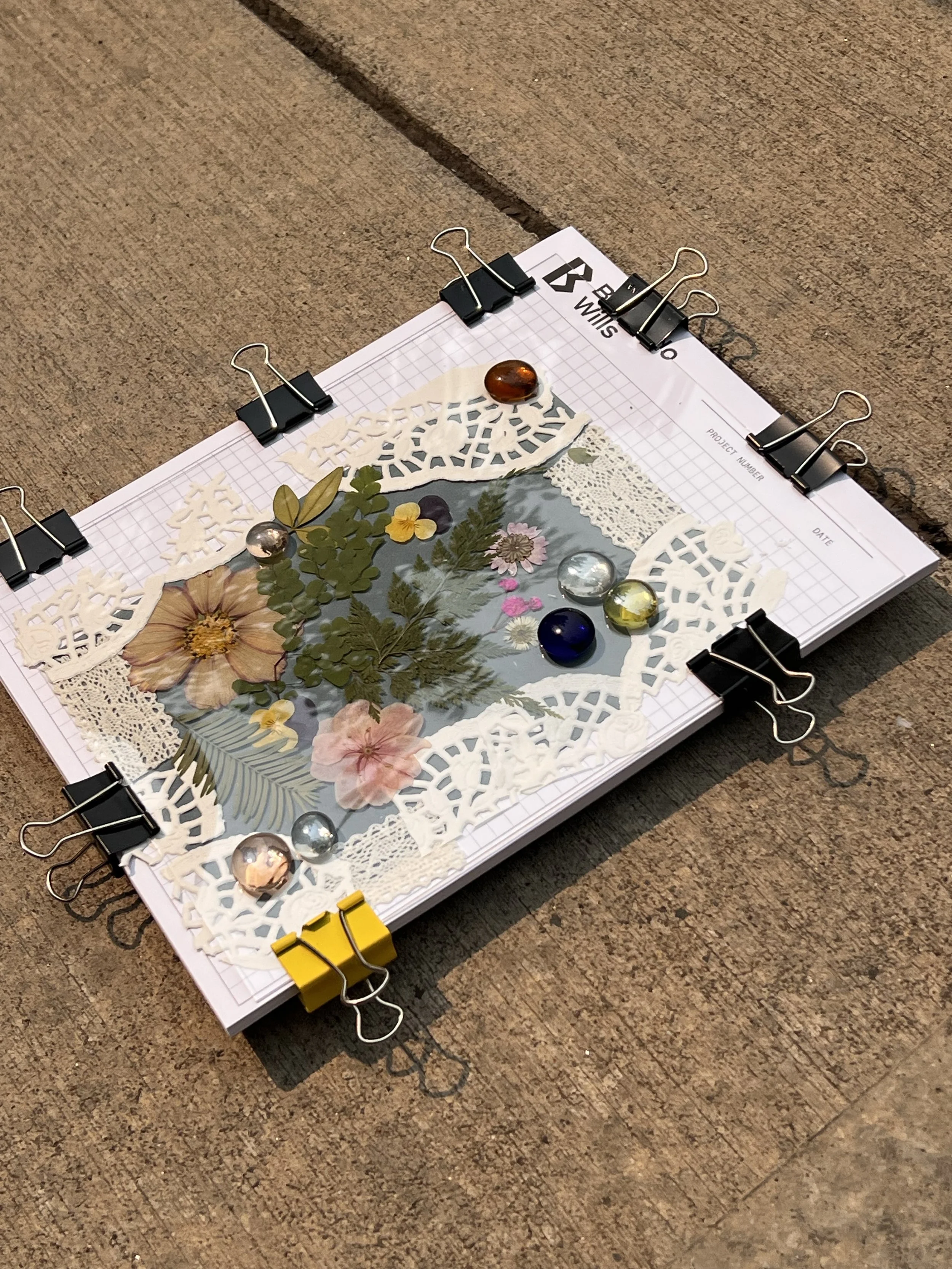
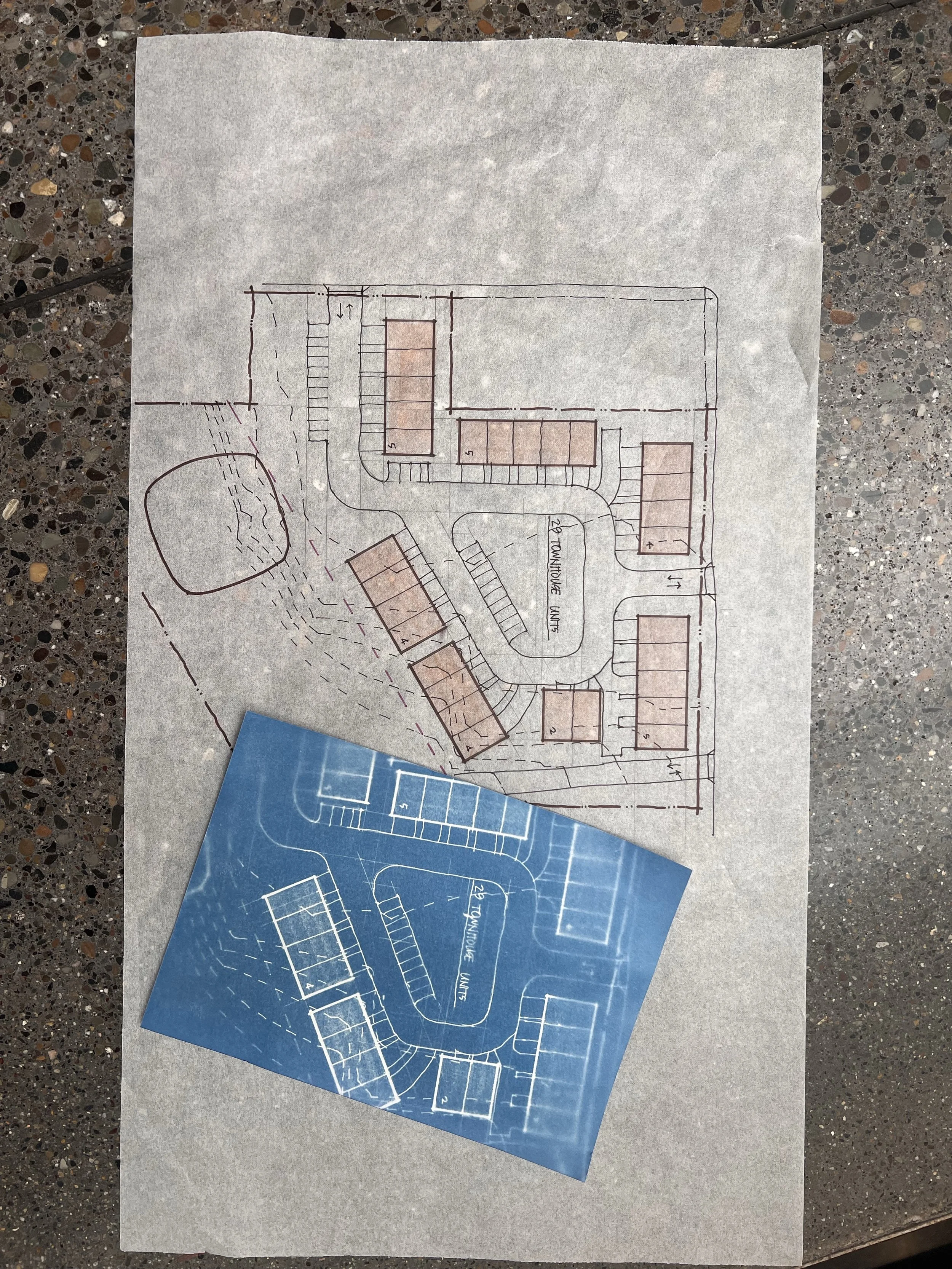
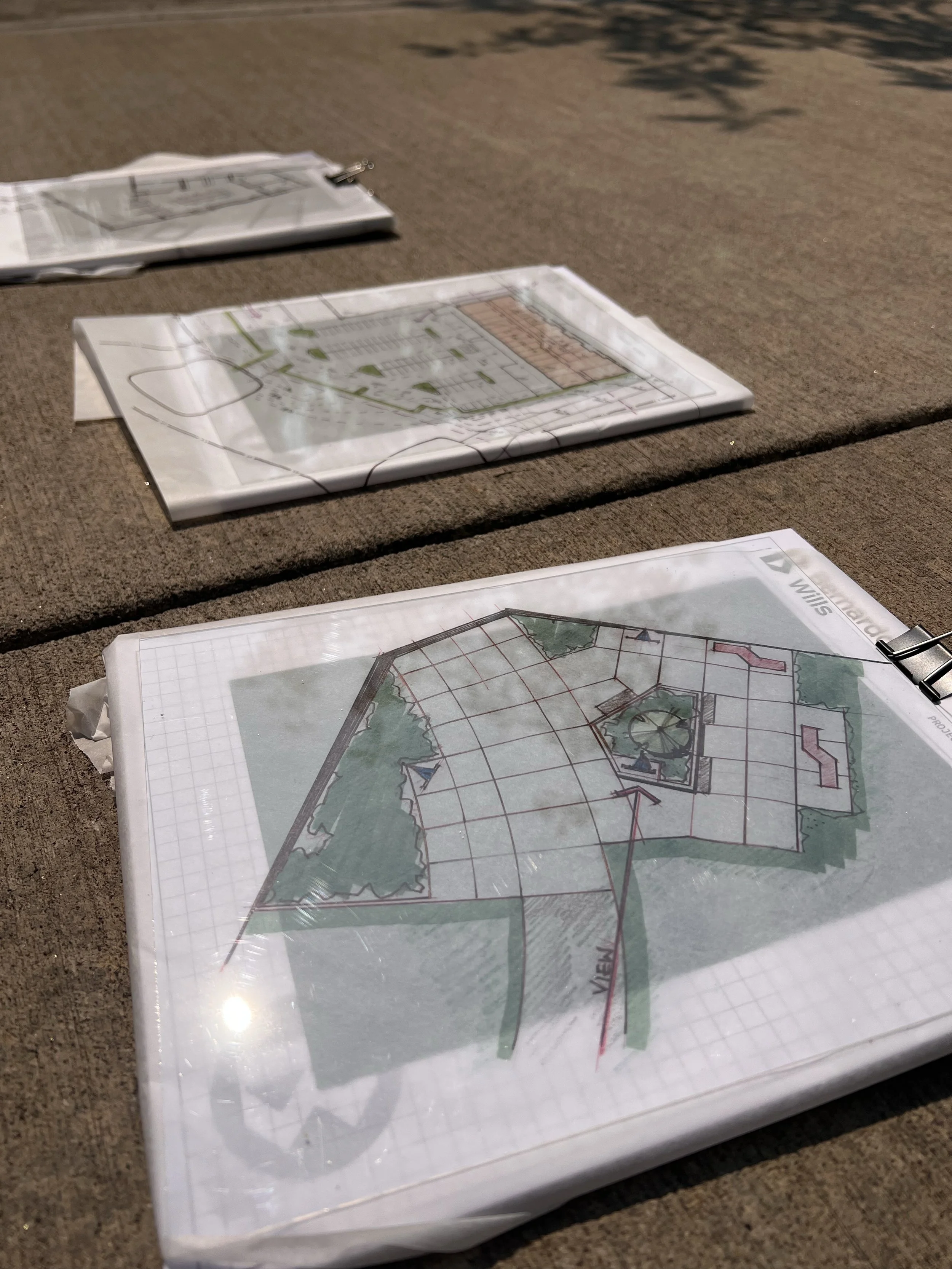
The devastation our community has experienced in recent weeks has touched all of us in one way or another. In moments like these, it's easy to become consumed by deadlines, responsibilities, and the endless stream of difficult news. That's exactly why we felt it was important to make space for something different. For our first “First Friday” activity, our team stepped away from their desks and tried their hand at creating cyanotypes, a historic photographic printing process known for its striking blue-and-white images.
Or, as architects might call them: the original blueprints.
The Importance of Play
At Bernardo Wills, we often talk about the rhythm of Work, Play, Push.
Work is the day-to-day effort that keeps projects moving forward. Push is when we rally around deadlines and milestones, digging deep to deliver for our clients and communities. But Play is equally important. Play creates space for curiosity. It encourages experimentation without expectations. It allows us to reconnect with the creative instincts that drew many of us to architecture and design in the first place.
This cyanotype workshop gave our architects, designers, and staff a chance to unplug for a moment and simply create. No client meetings. No redlines. No schedules. Just sunlight, creativity, and a little bit of artistic exploration. The result was more than a collection of beautiful prints. It was an opportunity to laugh together, try something new, and bring a little joy back into the office.
A Creative Activity Rooted in Architectural History
The cyanotype process was invented in 1842 by English scientist Sir John Herschel. The technique uses a light-sensitive chemical solution that turns a deep blue when exposed to sunlight. Objects placed on the treated paper block the light, creating distinctive white silhouettes against the blue background.
For architects, cyanotypes hold a special place in history. By the late 1800s, the process became one of the most practical ways to reproduce technical drawings. The characteristic blue background with white linework became so common that the term "blueprint" entered everyday language and remains part of our vocabulary today, even though modern construction documents look very different. As we worked through the process, several team members shared stories from their early days in the profession. More than a few recalled being responsible for running drawing sets through blueprint machines during internships and entry-level roles.
For those who remember those days, today's activity came with one significant advantage: These blueprints didn't smell like ammonia.
Connecting Past and Present
There's something fitting about a group of architects spending an afternoon creating cyanotypes. The process connects us to the history of our profession while reminding us that design begins with exploration. Long before buildings are constructed, budgets are finalized, or schedules are developed, there is a simple act of creativity: making something from an idea.
Sometimes the best way to move forward is to step away from the work for a moment. In a time when our community has needed moments of hope and connection, this First Friday offered exactly that. It gave us an opportunity to gather, create, and spend time together. Most importantly, it reminded us that even when we're feeling blue, there are still ways to create something beautiful.