

Firewise: Understanding Wildfire in Spokane
Written by: Kylee Monroe, Landscape Designer
Seven years ago, I witnessed my first major wildfire: the Museum Fire in Flagstaff, Arizona. Watching the fire move across the landscape was terrifying, but what stayed with me even more was what came afterward.
The flames eventually died down, but the impacts remained for years. Flooding, erosion, damage to infrastructure, and the lingering grief felt by residents became part of everyday life. It was my first lesson that wildfire is not just an event. It is a process with consequences that can last long after the smoke clears.
As an undergraduate student, I later worked on a public outreach campaign encouraging Flagstaff residents to sign up for emergency notifications and disaster response programs. Through that work, I began asking a question that would shape the rest of my education: How can we better protect our communities from natural disasters while still living alongside the landscapes we value?
That question led me to pursue a master’s degree in landscape architecture and study fire science at the University of Idaho. There I learned how ecology, wildfire behavior, land-use planning, infrastructure, and community design intersect. Understanding the relationship between development and wildfire risk gave me a framework for seeing both the challenges we face and the opportunities we have to make our communities more resilient.
Today, that knowledge feels deeply personal.
My heart breaks for Spokane. The recent fires have left many people grieving losses that cannot simply be rebuilt. As our community begins to recover, I hope to contribute in whatever way I can by sharing knowledge, promoting Firewise principles, and helping envision communities that are both enjoyable places to live and better prepared for wildfire.
This series is my attempt to do that. Not by focusing on fear, blame, or hindsight, but by helping us better understand wildfire, why it occurs, and what we can do to live more safely with it in the future.
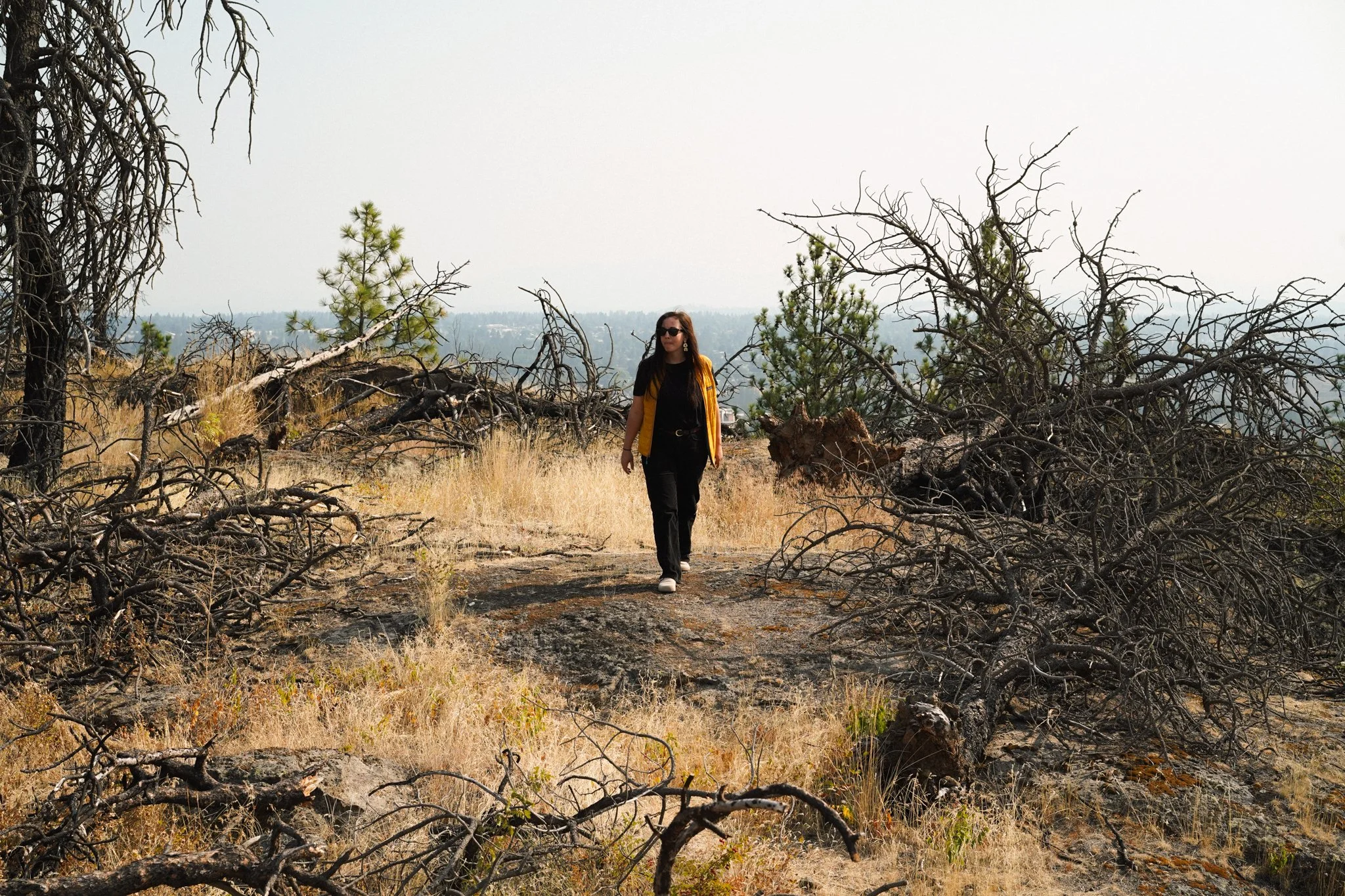
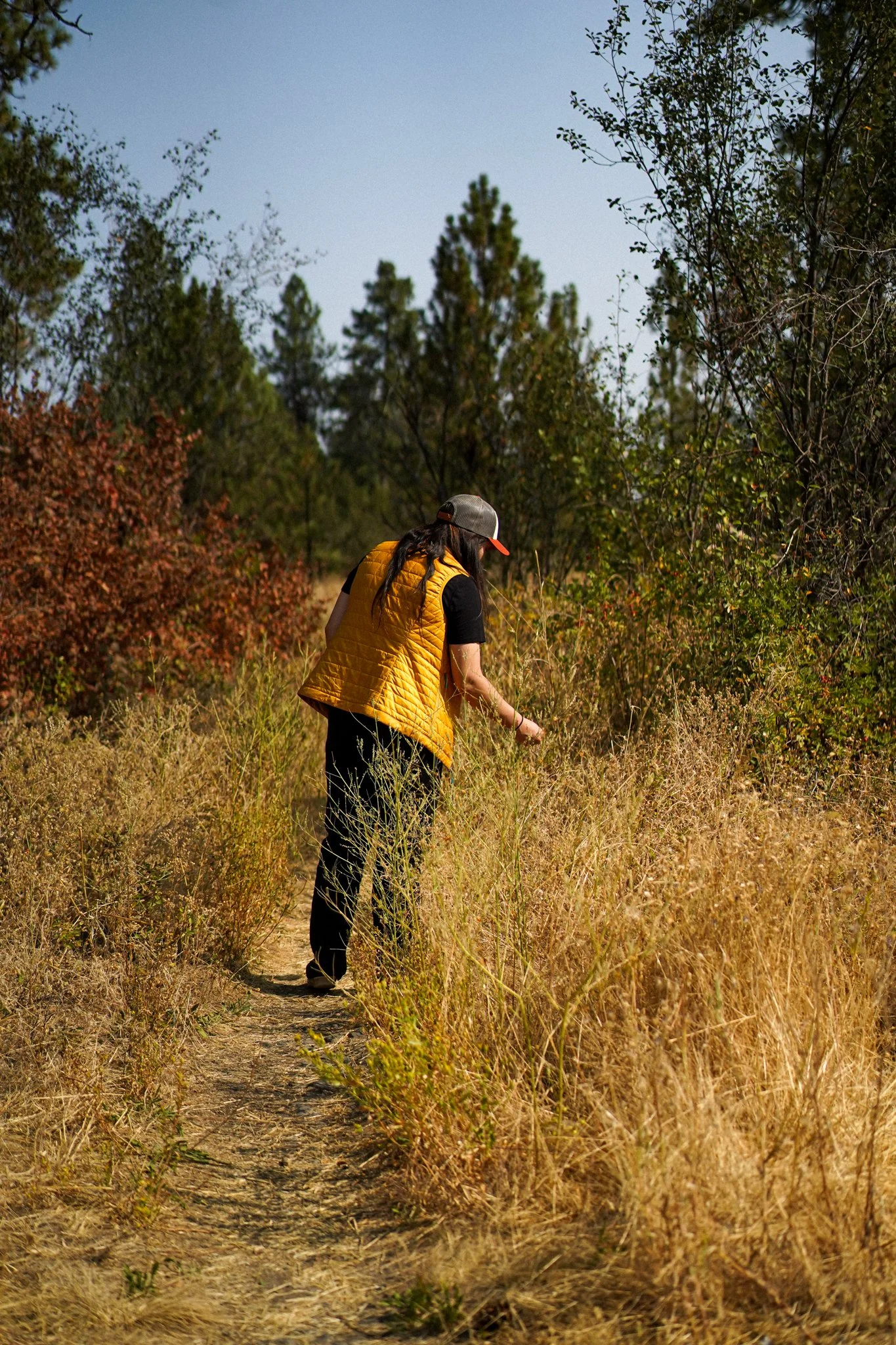
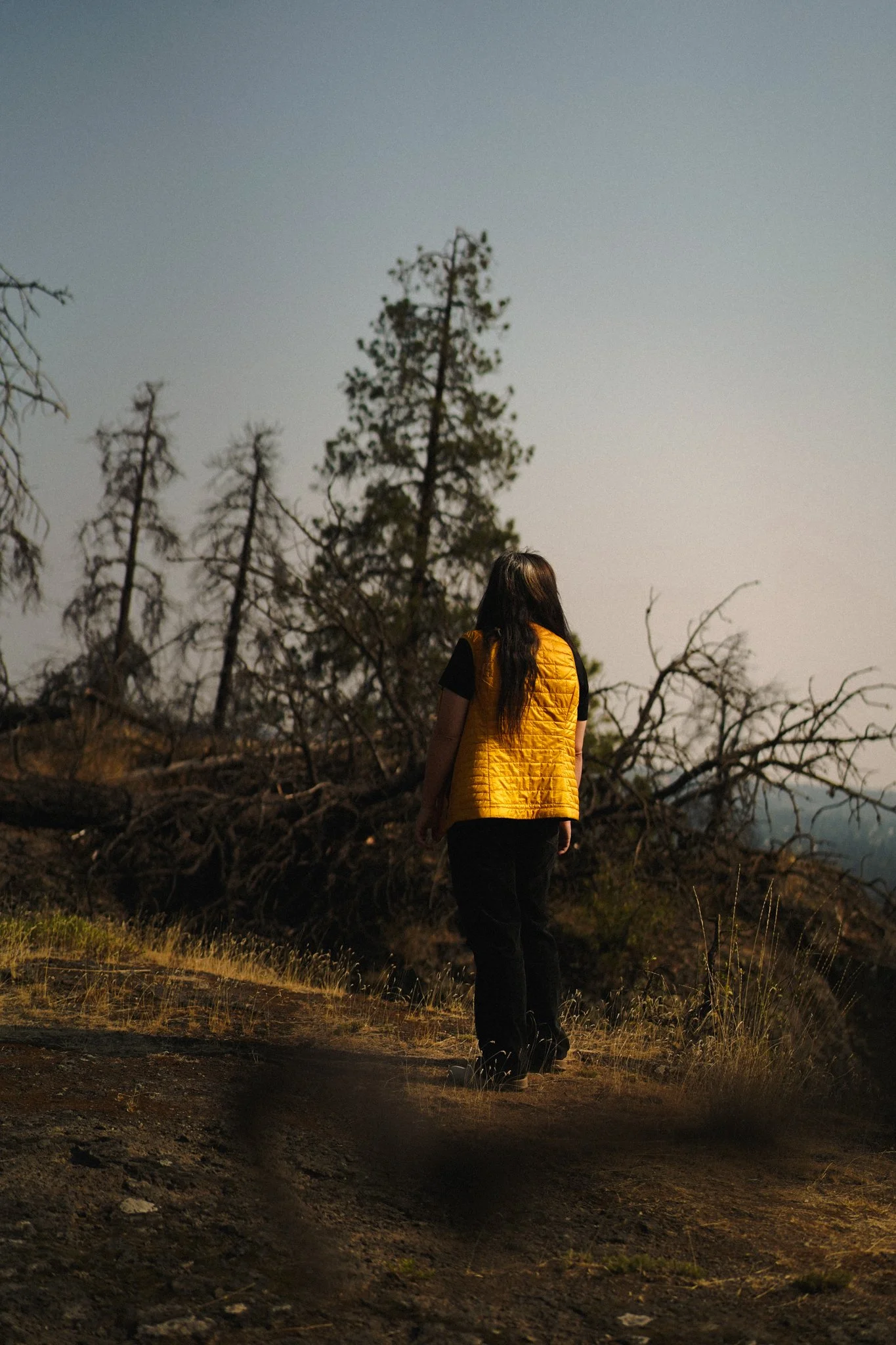
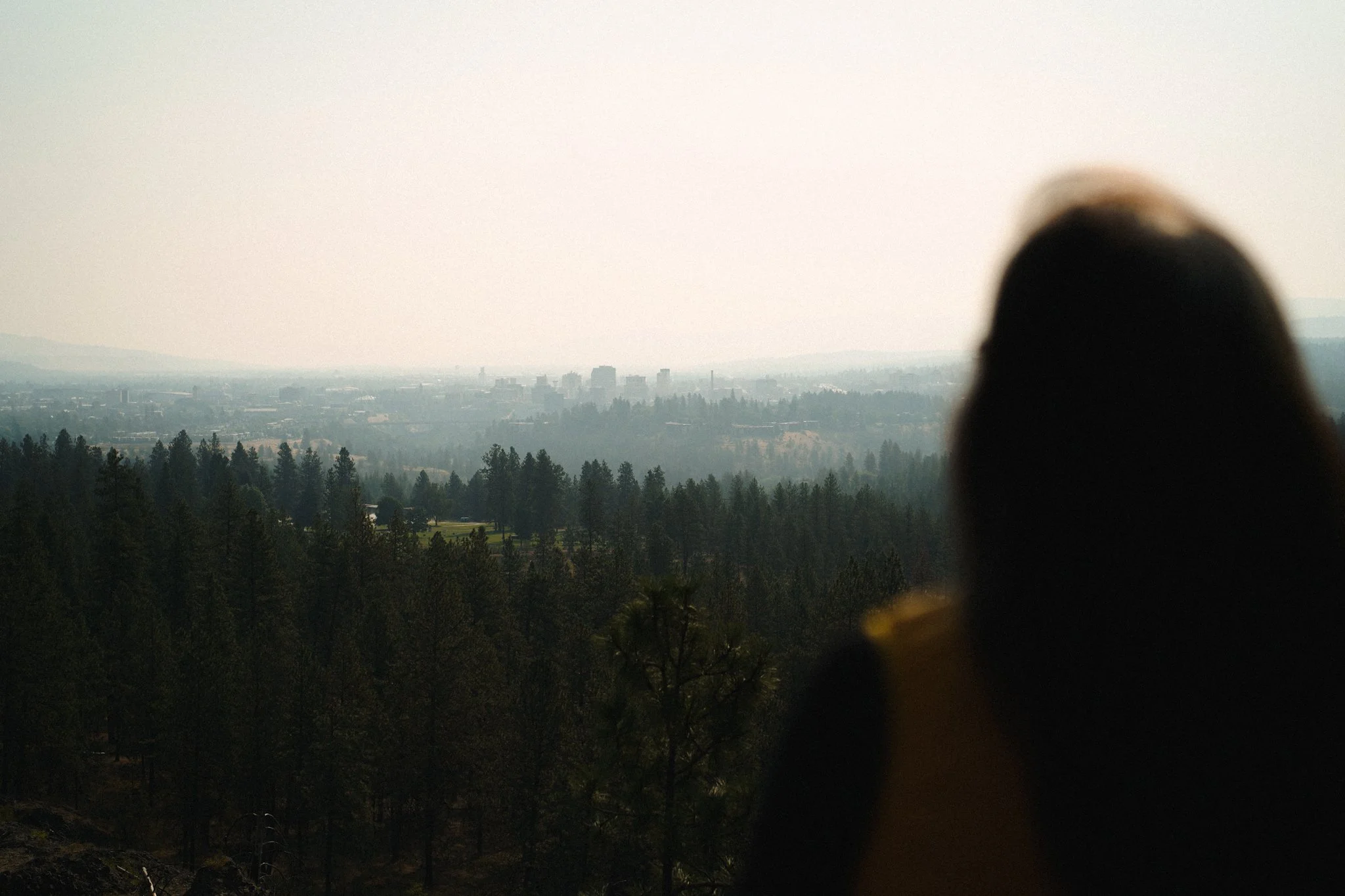
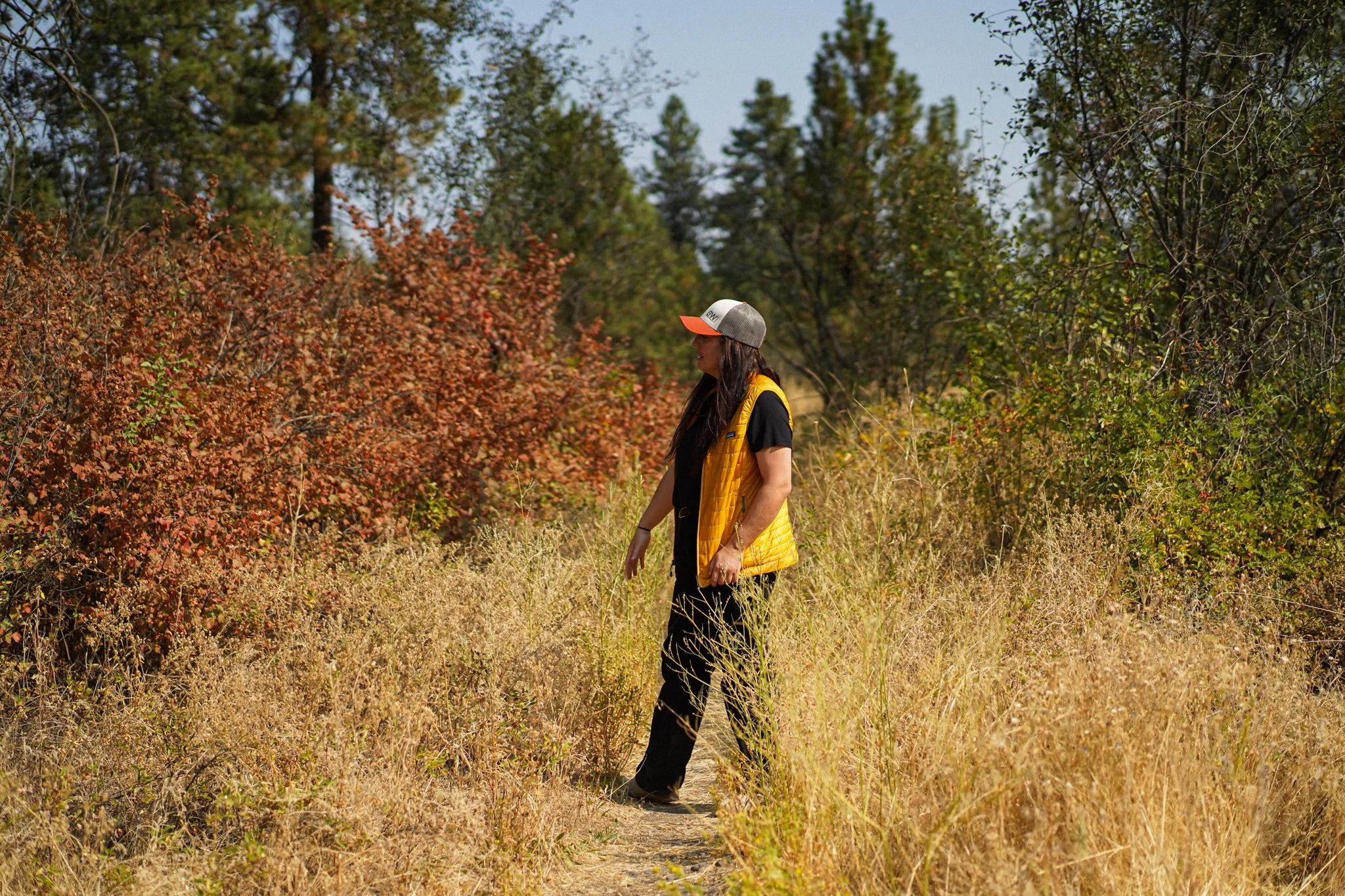
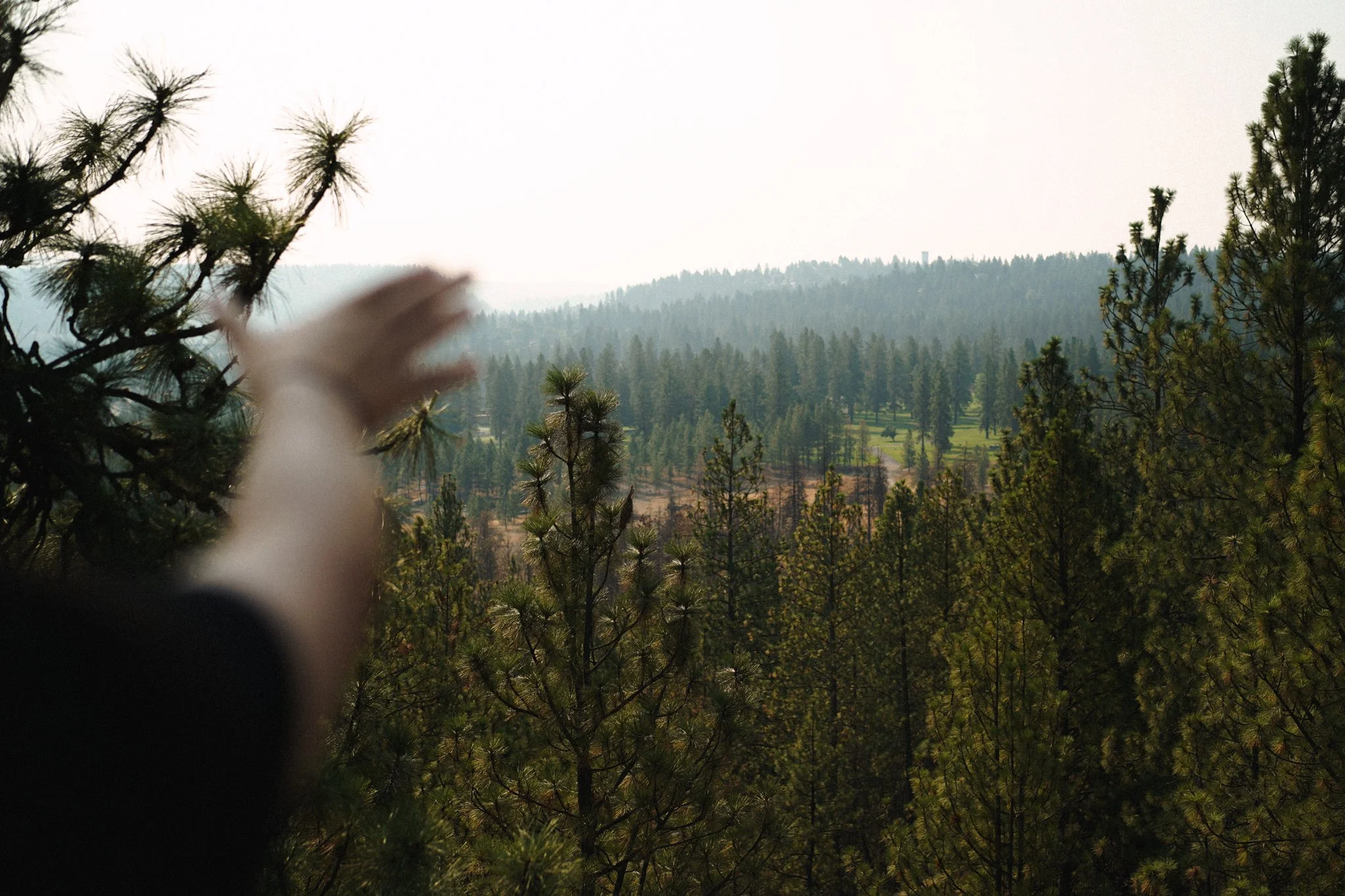
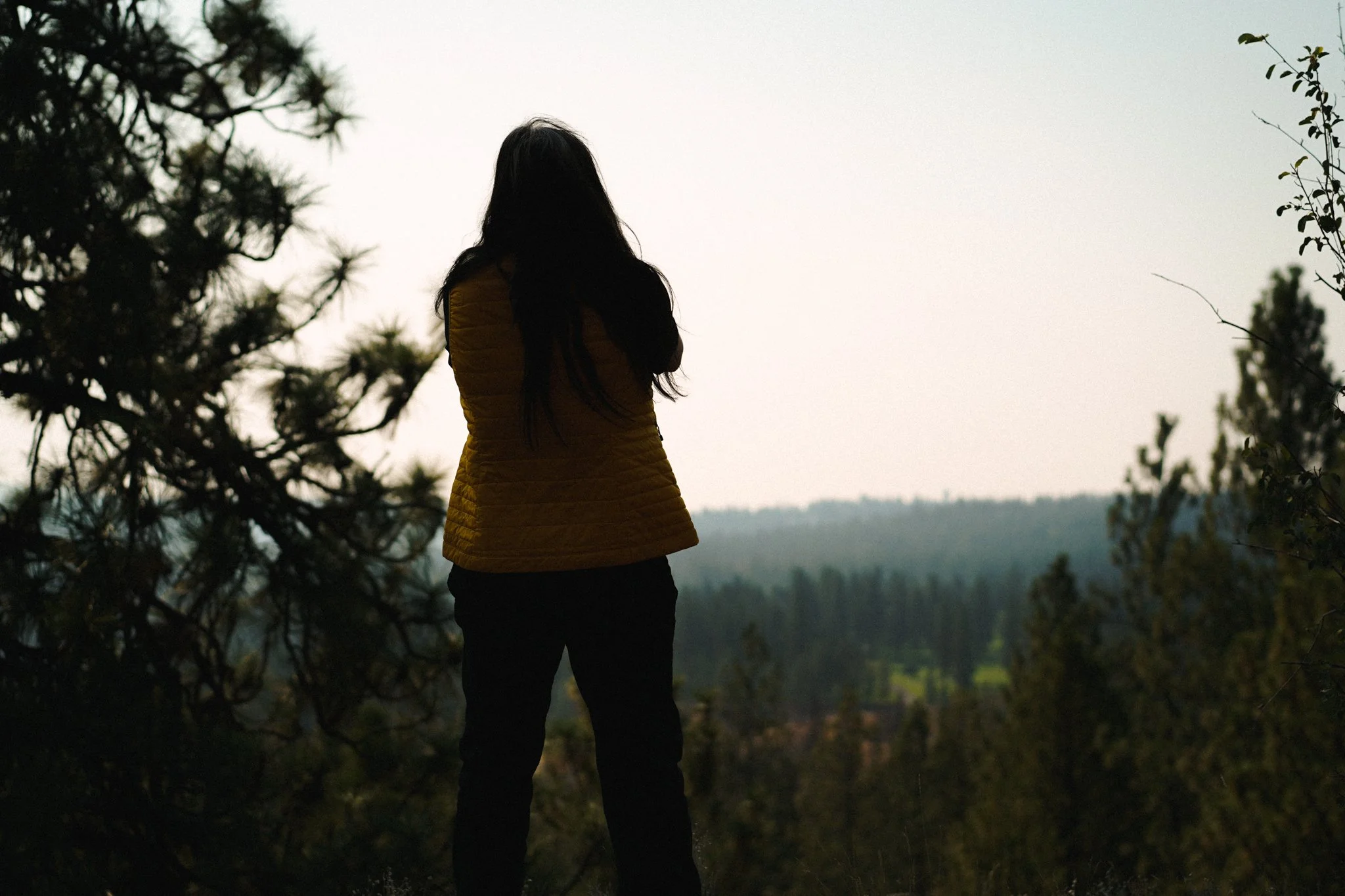
The past several weeks has shown us the deep scars wildfire can leave on a community. We see it in the smoke-stained landscapes, the burned neighborhoods, and the exhaustion carried by families who have lost homes, memories, and a sense of security. The Spokane area fires have affected not only the land but also the people who call this place home.
As our community begins to recover, many people are asking difficult questions. Could this have been predicted? Could it have been prevented? Is there anything we could have done differently?
The honest answer is complicated.
We cannot go back and change what happened. Even if we could, eliminating wildfire entirely is neither realistic nor possible. Fire is a natural part of many ecosystems in the Inland Northwest. For thousands of years, periodic fire has helped renew forests and grasslands, recycle nutrients, reduce disease, and create healthier landscapes.
What is natural for ecosystems, however, can be devastating for people. As communities grow, more homes are built in areas where forests, grasslands, and neighborhoods meet. This creates what is known as the wildland-urban interface, where human development and wildfire risk exist side by side.
Many of us have grown up seeing fire as something distant, something that happens somewhere else. Modern development, firefighting efforts, and years of relatively quiet fire seasons can make it easy to forget how closely our region is connected to fire-adapted landscapes. Yet while our awareness has faded, vegetation has continued to accumulate across the landscape. Grasses, shrubs, and forests build up fuels over time, especially when years of drought, heat, and wind create conditions that allow a spark to become much larger.
In many ways, our communities have expanded closer to an increasingly crowded campfire. The fuel has grown and so have the consequences when a fire starts.
This reality does not mean we are powerless. While wildfire is inevitable, disaster is not. There are actions that can reduce risk and improve resilience. Homeowners can create defensible space around structures, use fire-resistant building materials, and maintain their properties. Neighborhoods can work together to reduce hazardous fuels and improve emergency preparedness. Communities and land managers can invest in fuel reduction projects, prescribed fire, and long-term planning that recognizes wildfire as a part of living in the Inland Northwest.
The lessons from the Spokane-area fires are difficult, but they are also important. Recovery is about more than rebuilding structures. It is about rebuilding awareness and strengthening our relationship with the landscapes we live in. Understanding why wildfire occurs is not about placing blame. It is about recognizing reality and preparing thoughtfully for the future.
Wildfire will remain a part of our ecosystem. The question is not whether fire will return, but whether we are prepared when it does.
As someone who has spent years studying wildfire and fire ecology, I don't see these conversations as discussions about disaster. I see them as discussions about coexistence. The Spokane region has always been shaped by fire, and our future depends on how well we learn to live with it, prepare for it, and support each other when it arrives.