

Pocket Parks: Small Spaces That Make a Big Impact
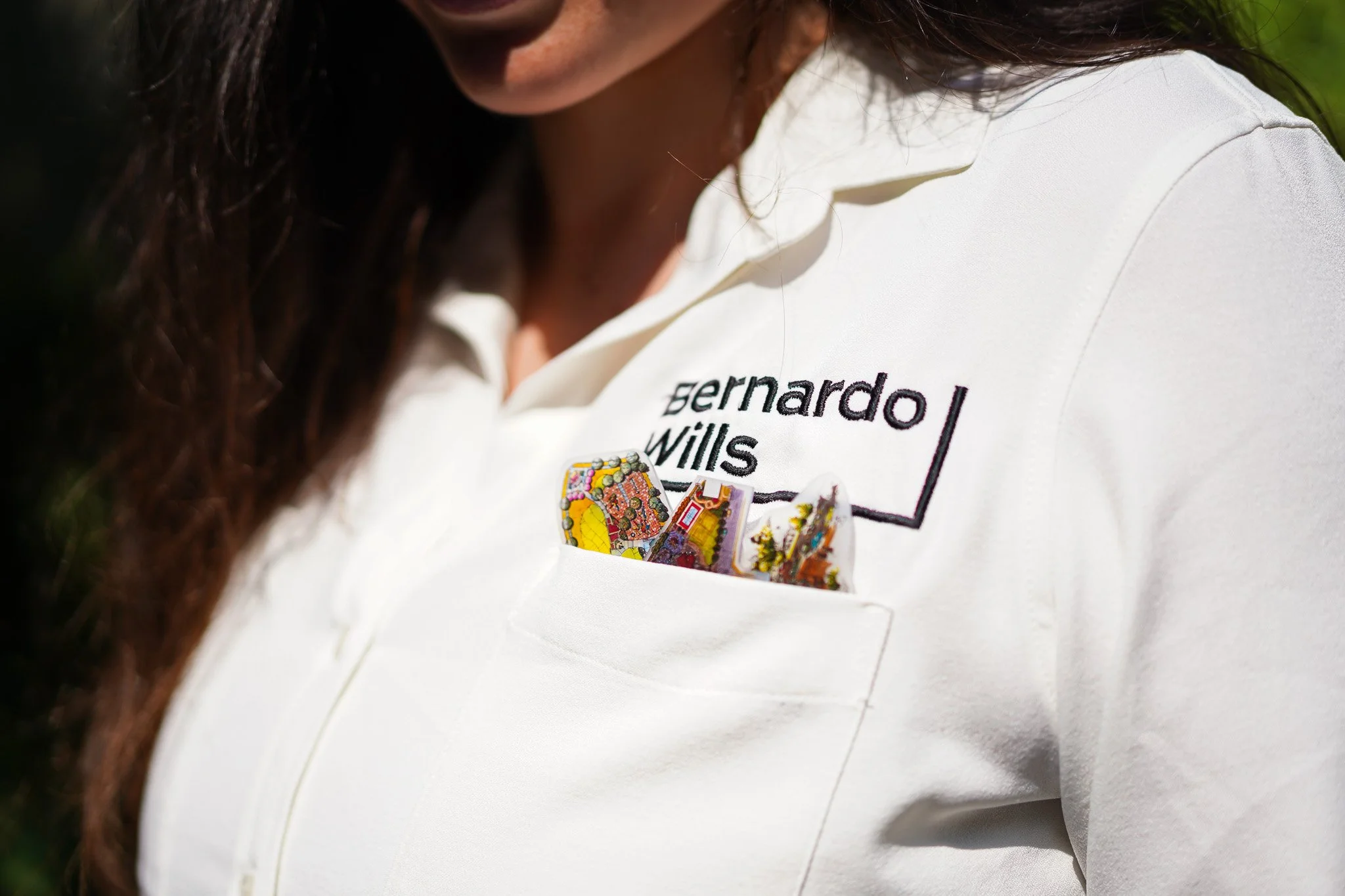
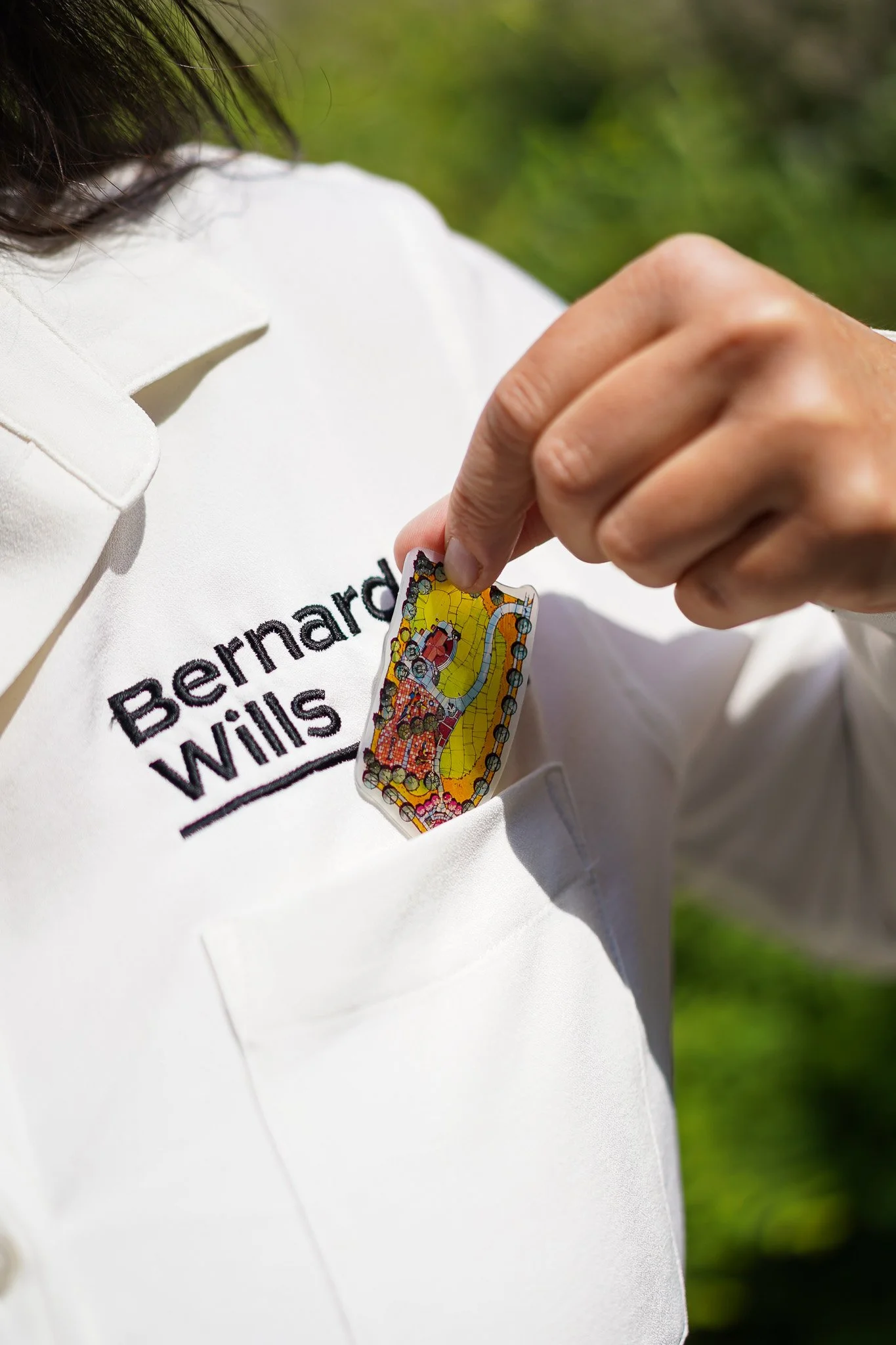
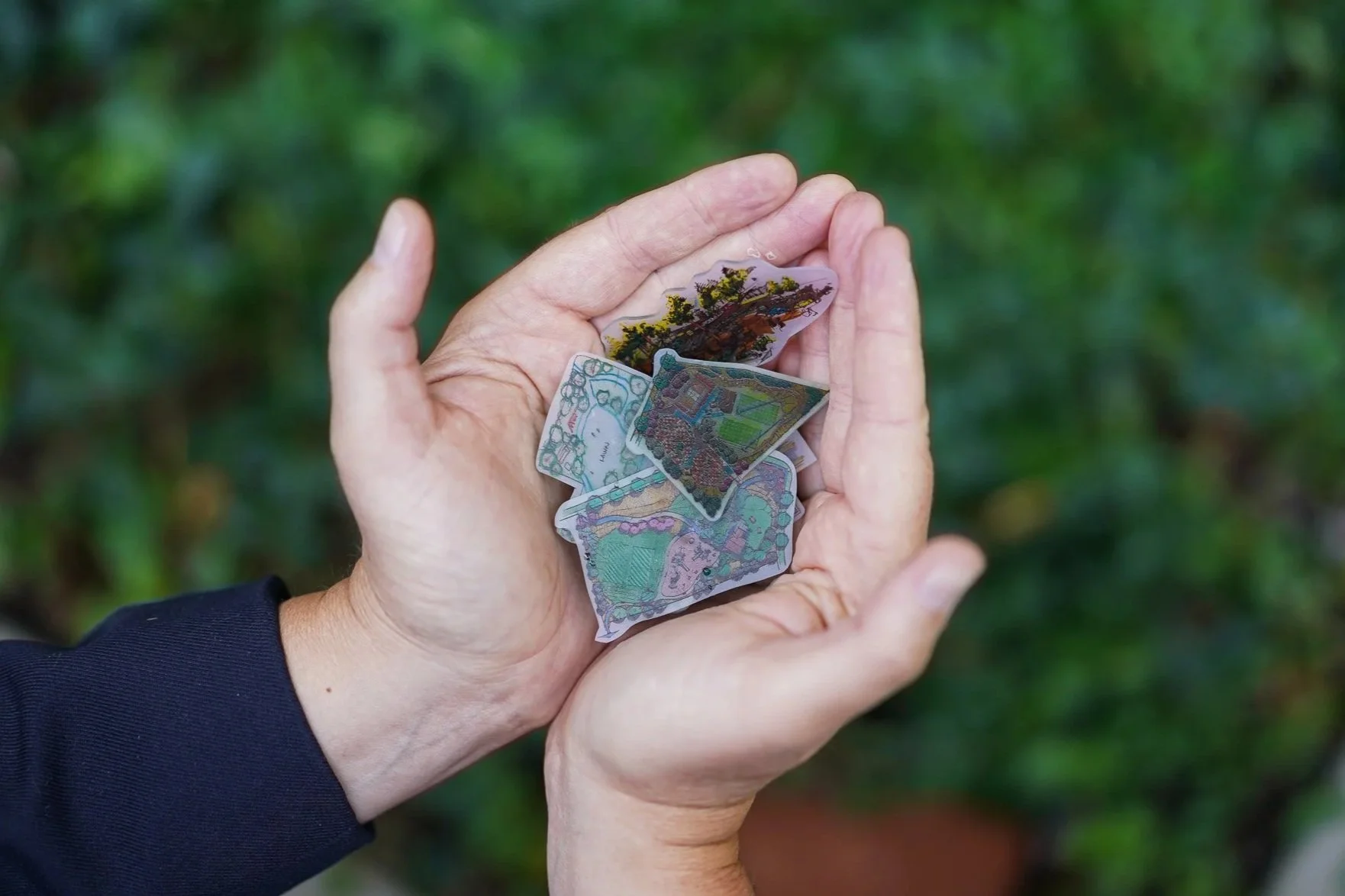
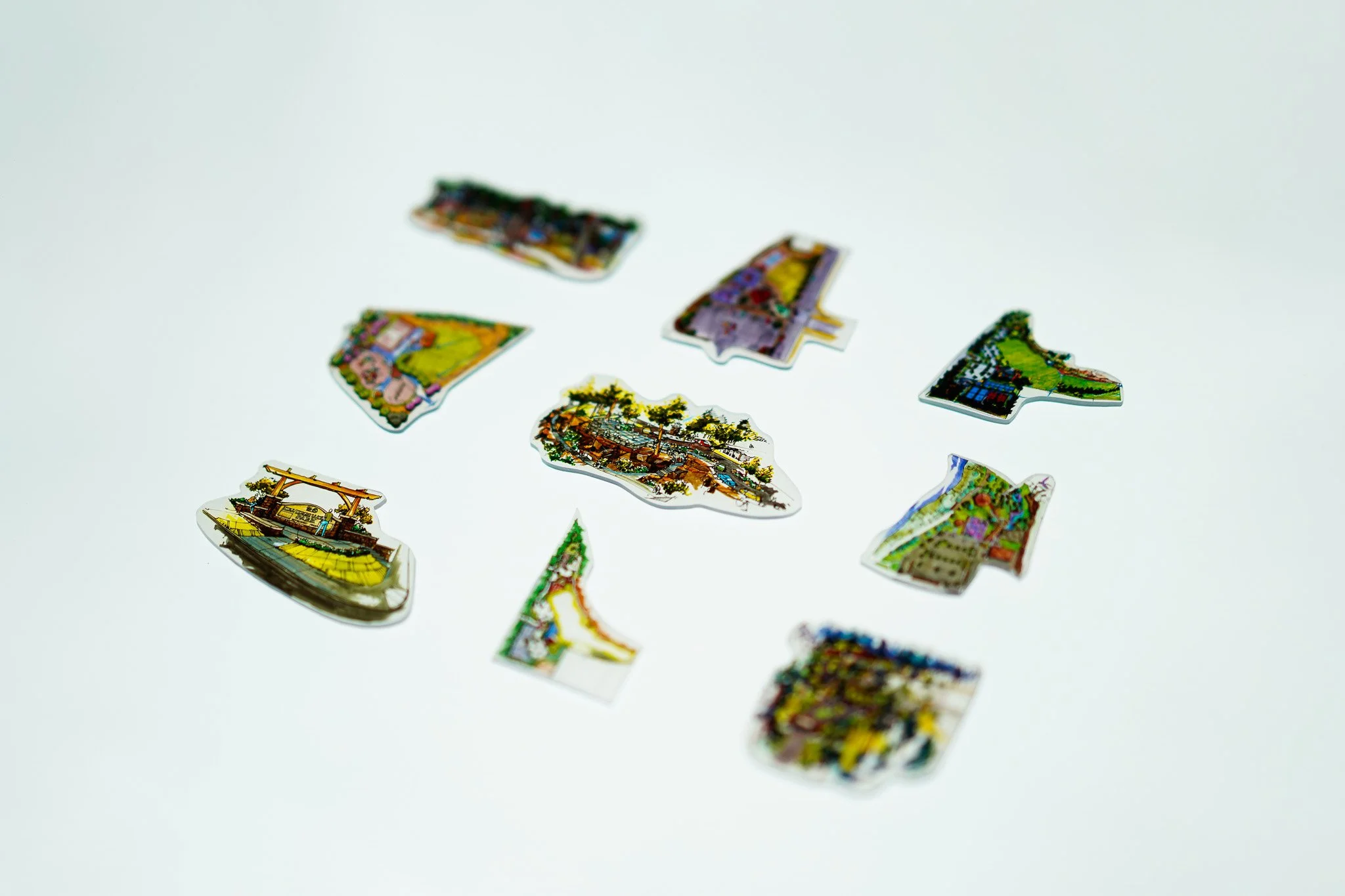
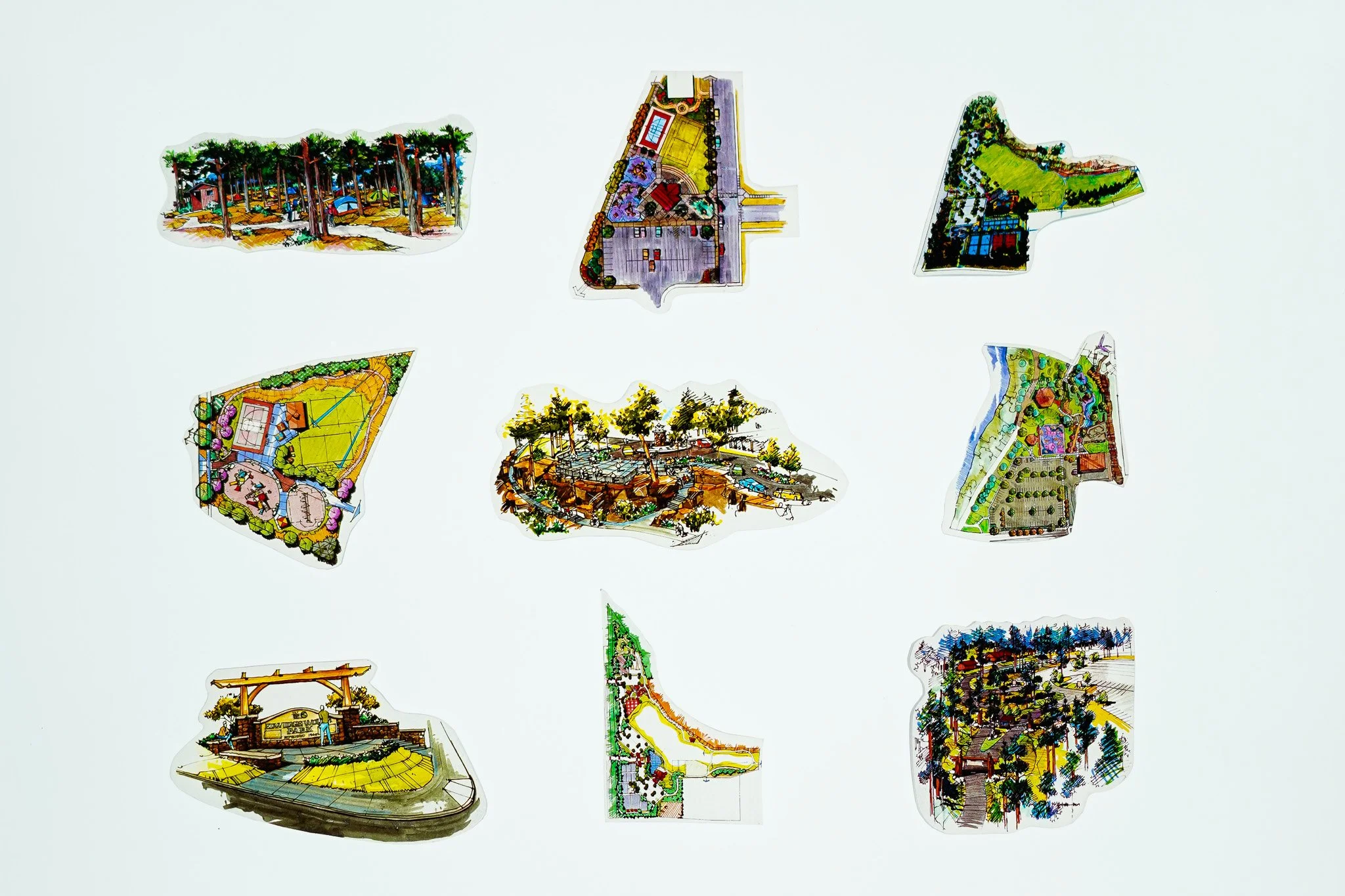
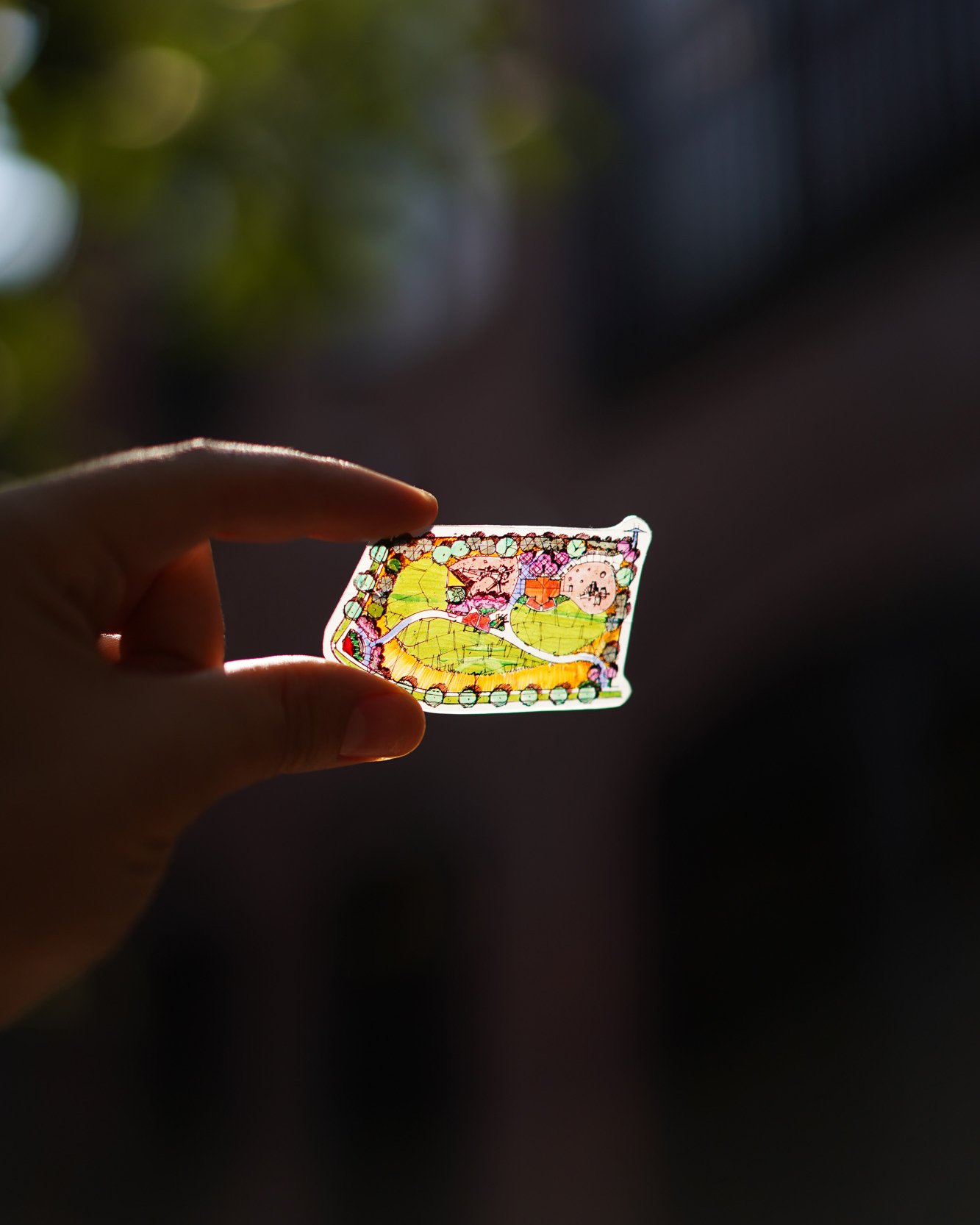
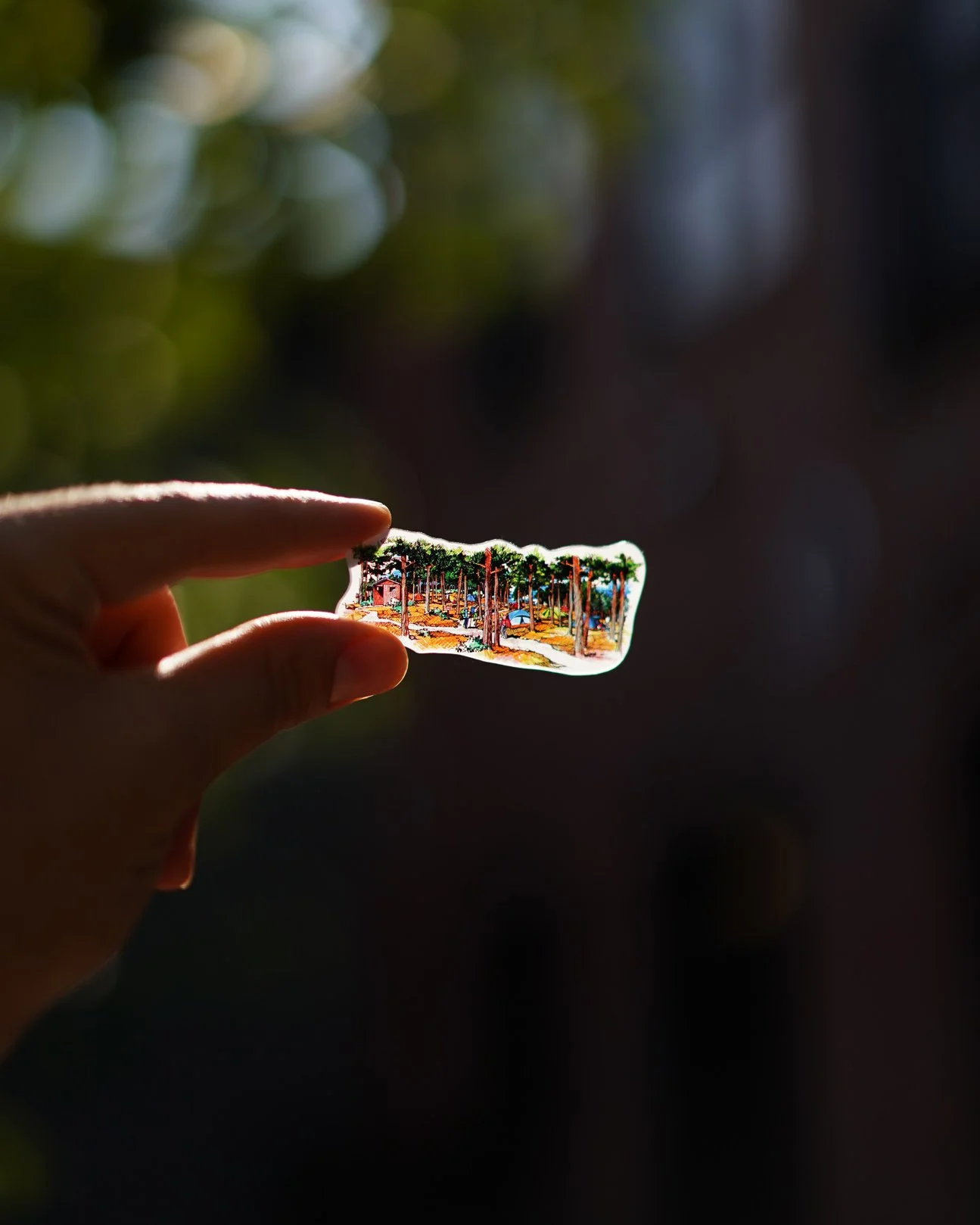
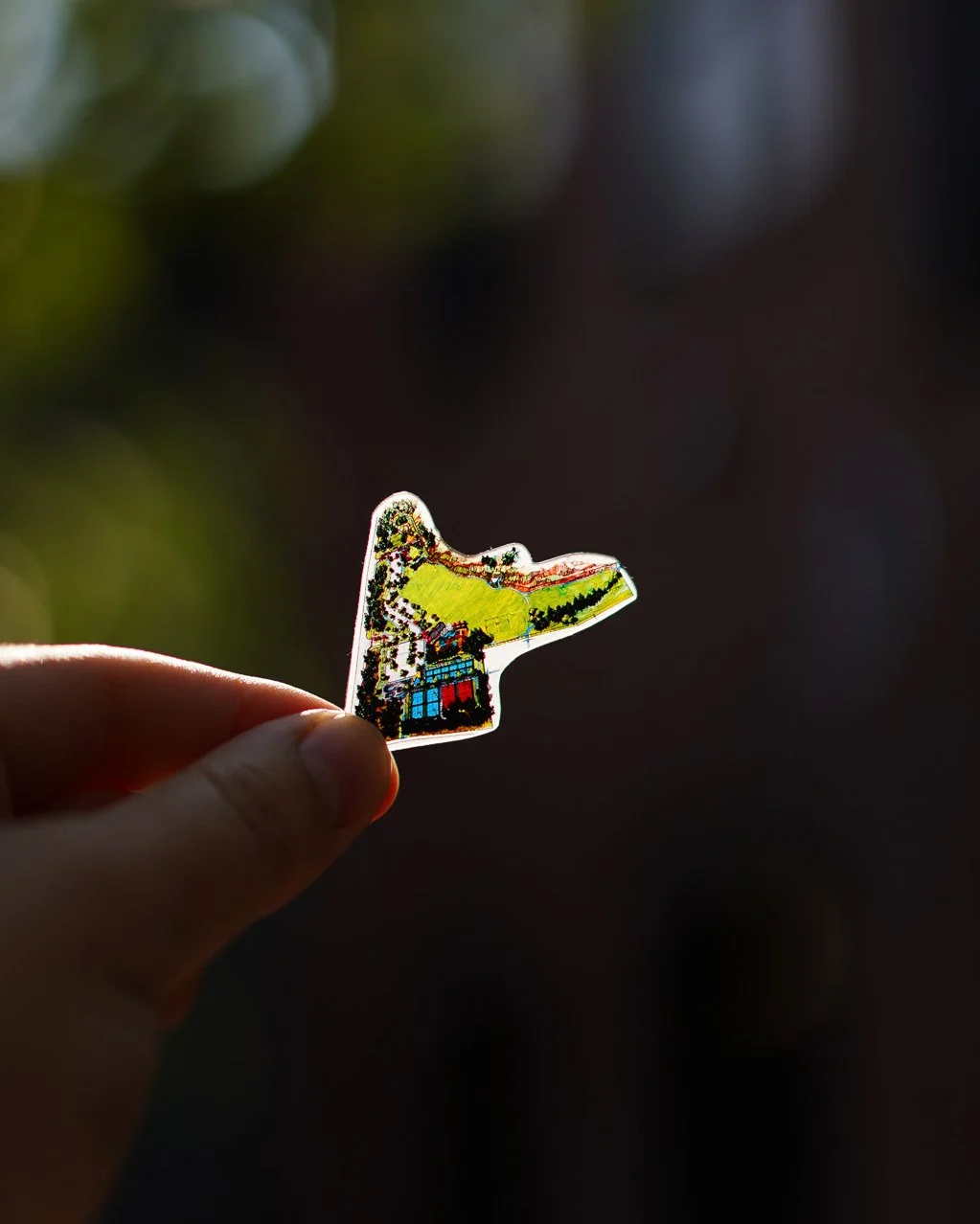
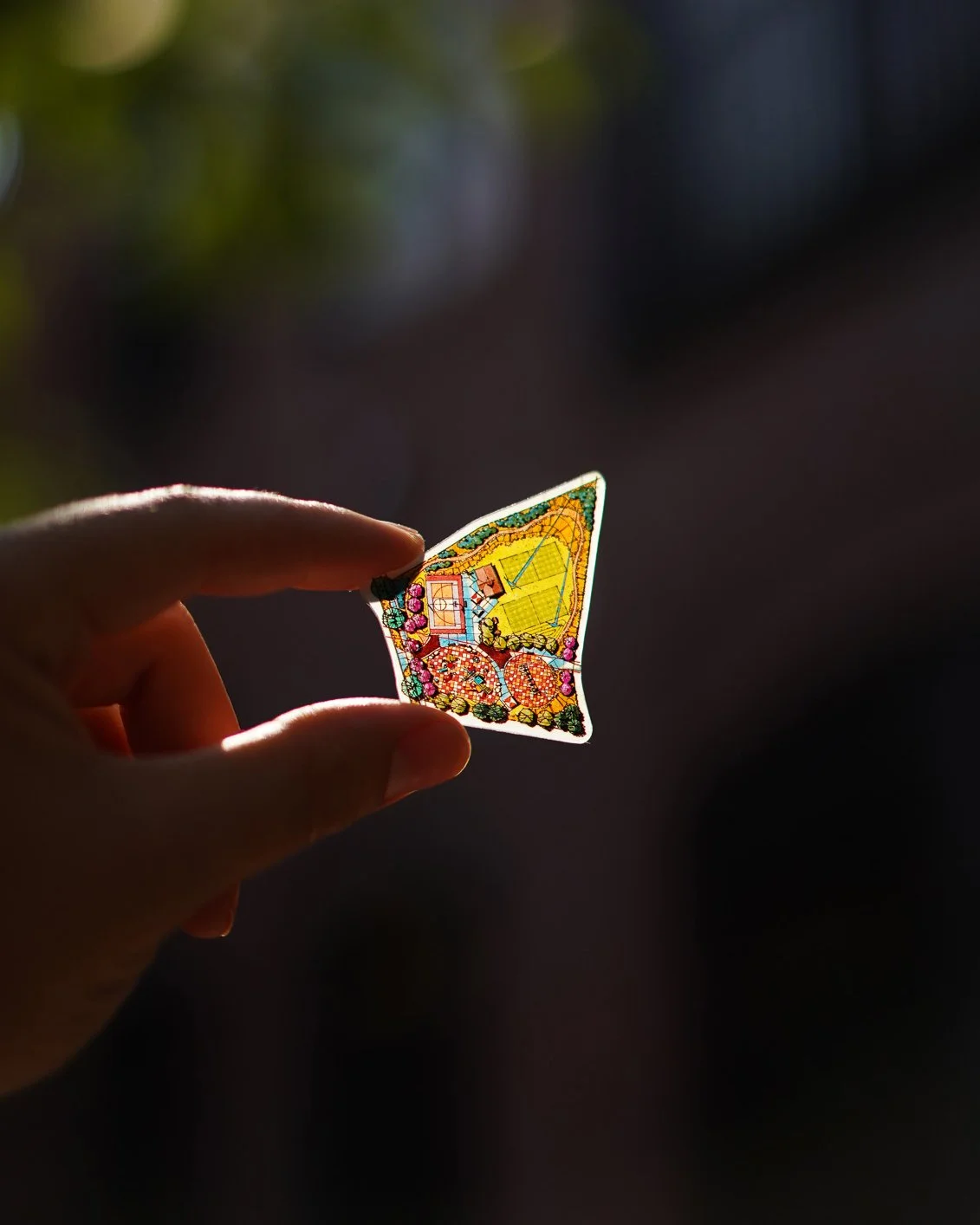
When people think of parks, they often picture expansive green spaces, athletic fields, or regional destinations that attract visitors from across a city. But some of the most meaningful public spaces come in much smaller packages. Pocket parks are compact outdoor spaces designed to bring people together, create opportunities for recreation, and add beauty to the communities they serve. Though small in size, these parks can have an outsized impact on neighborhood identity, walkability, and quality of life.
A successful pocket park creates opportunities for connection, recreation, and community engagement regardless of its size. When thoughtfully designed, these spaces become gathering places that contribute to neighborhood identity and improve the daily lives of those who use them. From urban settings in Spokane to residential developments in Moscow, pocket parks demonstrate that impactful design doesn't require a large footprint. Sometimes the most successful community spaces are the ones tucked just around the corner.
What Is a Pocket Park?
A pocket park is a small public green space, typically integrated into a neighborhood, mixed-use development, or urban setting. These parks are often created on parcels that may not be large enough for traditional park development but are perfectly suited for gathering spaces, play areas, seating, landscaping, or public amenities.
Pocket parks may include:
Open lawn areas
Play features
Picnic and seating areas
Walking paths
Landscaping and shade trees
Public art or community features
Their purpose is simple: provide accessible outdoor space where residents can relax, socialize, and enjoy nature close to home.
Unlike larger destination parks, pocket parks are woven into everyday life. They invite spontaneous visits, encourage walking, and help foster a stronger sense of community.
Why Pocket Parks Matter
As neighborhoods become more densely developed, access to outdoor gathering spaces becomes increasingly important. Pocket parks help fill that need by creating inviting places for residents to connect with one another and their surroundings.
These small parks can:
Encourage outdoor activity
Improve neighborhood walkability
Create gathering spaces for families and friends
Enhance community identity
Increase access to green space within residential developments
Perhaps most importantly, pocket parks help transform neighborhoods into communities. They create destinations within walking distance of home and provide opportunities for everyday interaction that strengthen social connections.
Small Spaces, Big Opportunities in Spokane
Spokane is home to a diverse network of parks, trails, and public spaces. While many residents are familiar with iconic destinations like Riverfront Park and Manito Park, smaller urban green spaces also play an important role in the city's character and livability. Spokane's park system includes neighborhood and mini parks that bring recreation and gathering opportunities directly into the communities they serve.
One example is Edwidge Woldson Park, a compact public space overlooking downtown Spokane. While modest in size, the park demonstrates how thoughtful site design can turn a smaller footprint into a meaningful destination. Its location and views create a unique experience that contributes to Spokane's public realm and provides residents and visitors with a welcoming place to pause and enjoy the city.
Creating Community at Indian Hills Pocket Park
Pocket parks are especially valuable within residential developments, where they become extensions of the neighborhood itself. At Indian Hills Pocket Park in Moscow, Idaho, Bernardo Wills helped create a space designed to support everyday community life. Rather than serving as a destination that requires a special trip, the park becomes part of residents' daily routines.
The same principle guided the design of Itani Pocket Park in Moscow. Thoughtfully placed pocket parks can serve as neighborhood landmarks, creating recognizable gathering places that help define a community's identity. Whether residents are meeting friends, taking a walk, supervising children at play, or simply enjoying time outdoors, these spaces provide meaningful opportunities for interaction.
The success of these parks is often measured not by their size, but by how frequently they are used and how strongly they contribute to a sense of belonging.
Designing for Lasting Impact
A successful pocket park creates opportunities for connection, recreation, and community engagement regardless of its size. When thoughtfully designed, these spaces become gathering places that contribute to neighborhood identity and improve the daily lives of those who use them. Pocket parks demonstrate that impactful design doesn't require a large footprint. Sometimes the most successful community spaces are the ones tucked just around the corner. As communities continue to evolve, pocket parks will remain an important part of creating neighborhoods that are welcoming, walkable, and connected. Their size may be small, but their impact can last for generations.